Minimize Your Centennial Insurance Claim After a Frozen Pipe Burst
A frozen pipe burst can escalate from a small plumbing issue into a major insurance loss within hours. Across Centennial neighborhoods, freeze-thaw cycling regularly creates sudden pipe ruptures inside exterior-facing walls, garage ceilings, attic spaces, finished basements, and utility corridors during overnight cold snaps.
Once pressure fractures open, water begins migrating fast.
Hardwood flooring absorbs saturation beneath the surface. Ceiling assemblies trap moisture above insulation layers. Finished lower levels retain hidden water inside framing systems and subfloors long before visible damage fully appears.
Reducing the size of the insurance claim often depends on how quickly structural conditions are stabilized after the initial plumbing failure.
Early containment matters. Controlled drying matters even more.
Shut Off Water Immediately
The largest insurance losses usually occur when active leaks continue to flood the structure for extended periods.
Every additional minute allows moisture to spread deeper into:
- Wall cavities
- Ceiling assemblies
- Flooring systems
- Cabinetry
- Insulation layers
- Finished basement environments
- Electrical areas
- Structural framing
Locating the main shutoff valve immediately after discovering a burst pipe helps reduce secondary structural exposure throughout the property.
Older Centennial homes with remodeled basements and layered plumbing systems may have multiple shutoff zones that require faster identification during emergencies.
Remove Standing Water Before Saturation Expands
Visible pooling often represents only a fraction of the total moisture exposure inside the home.
Water quickly migrates beneath:
- Hardwood flooring
- Laminate flooring
- Tile assemblies
- Baseboards
- Carpet padding
- Subfloor systems
Emergency extraction helps reduce long-term structural absorption before materials begin to swell, separate, or deteriorate beneath finished surfaces.
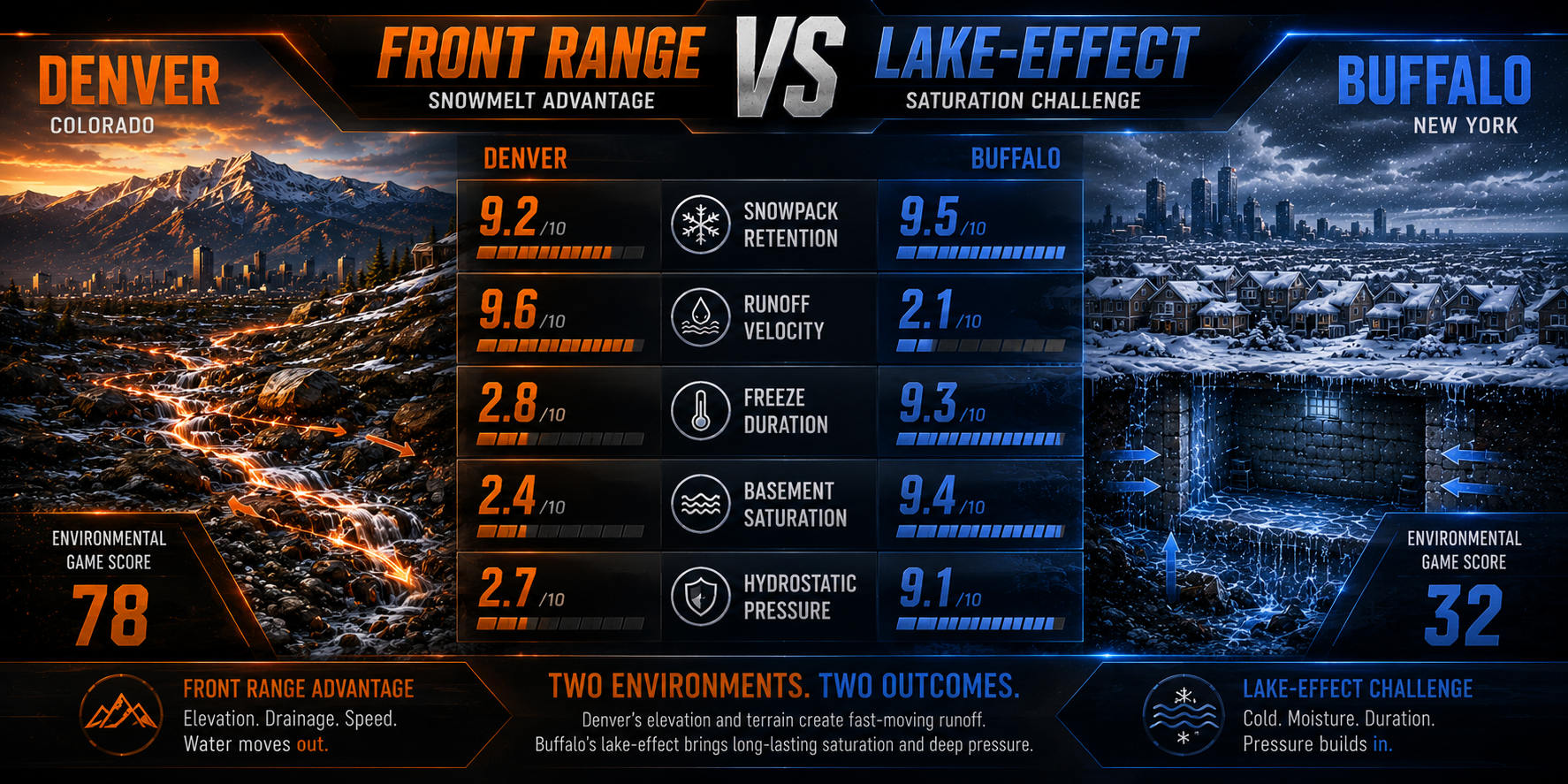
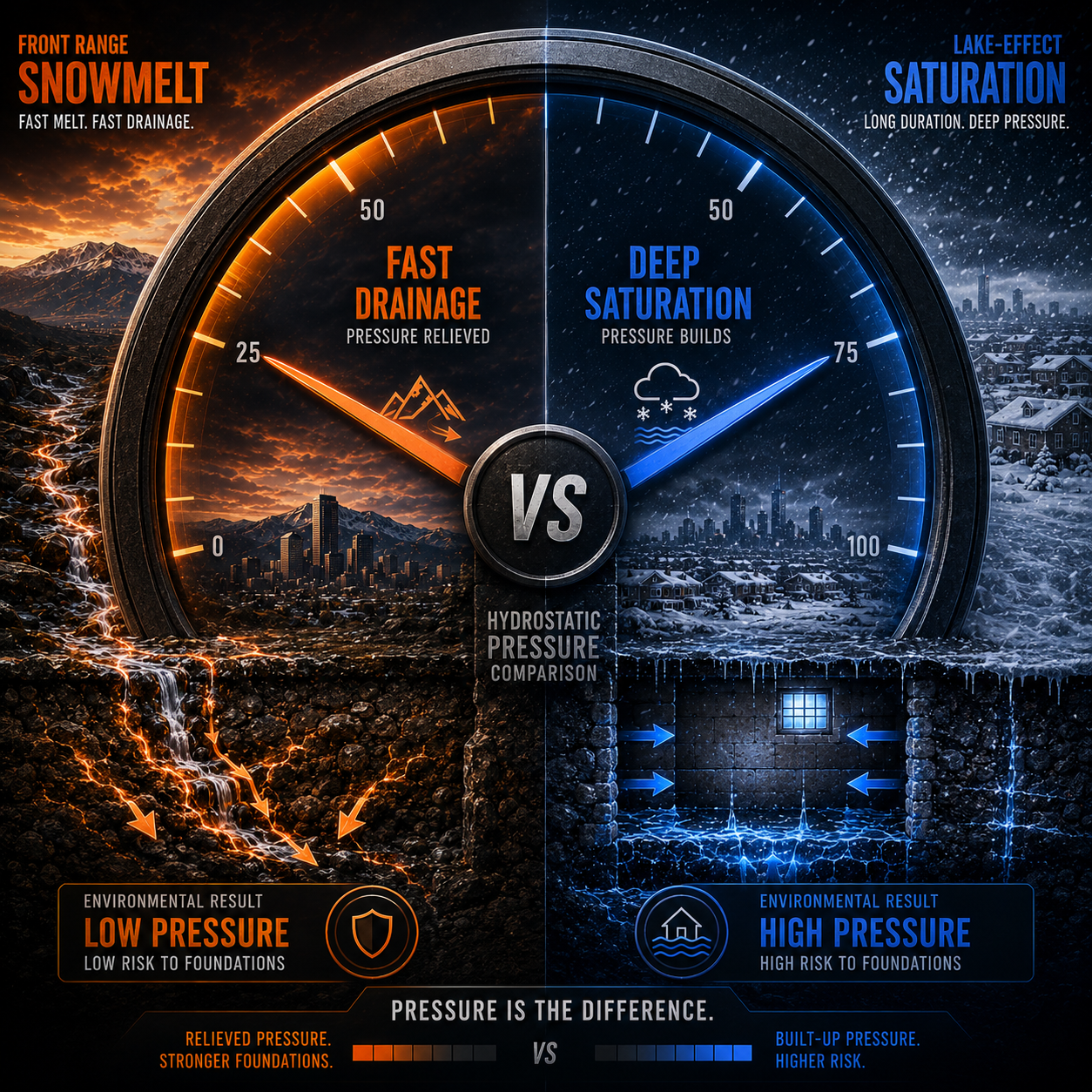
Finished lower levels throughout Centennial become especially vulnerable once snowmelt, humidity, and basement moisture combine with interior flooding conditions.
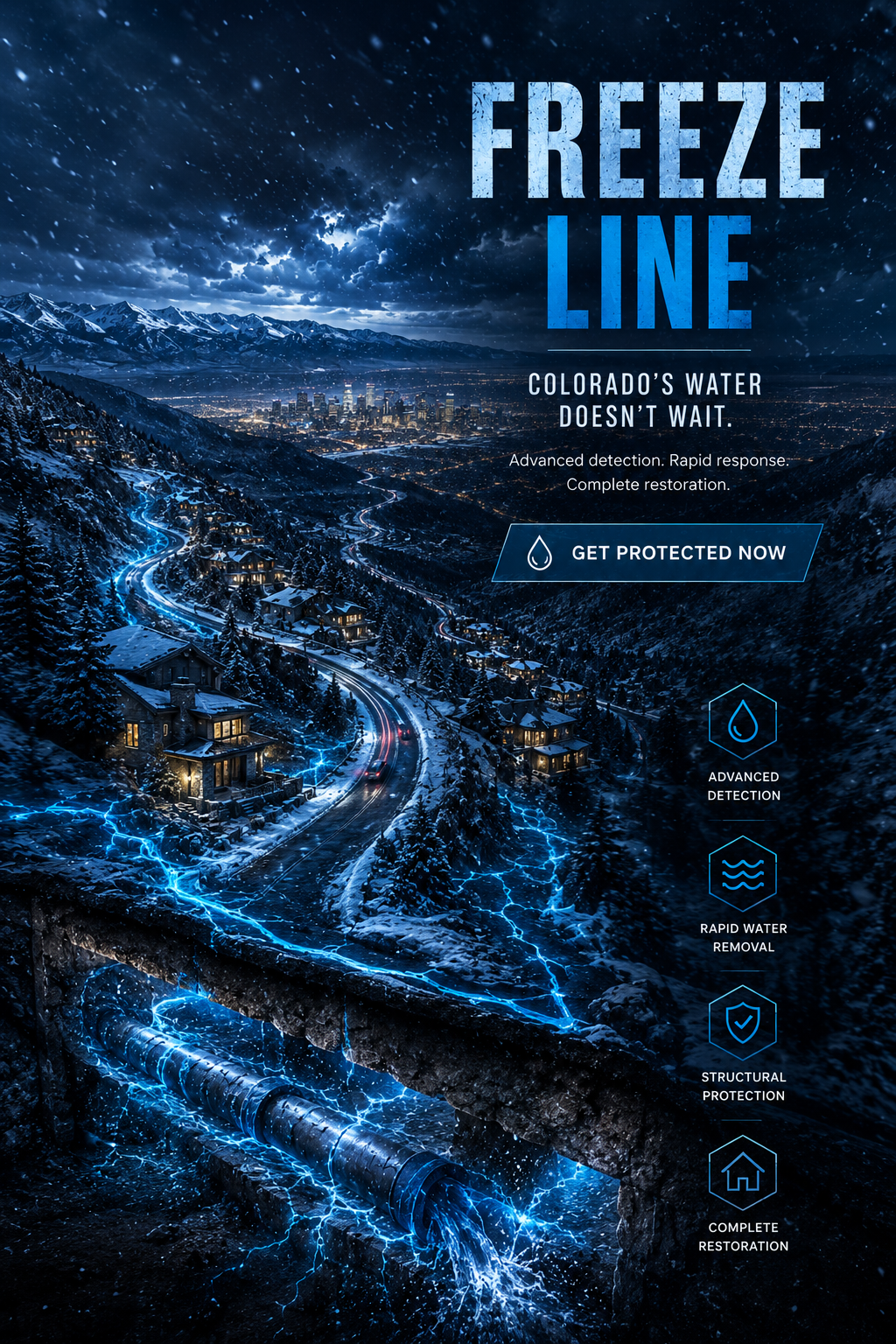
Hidden Moisture Increases Claim Severity
Insurance claims often increase when concealed saturation remains trapped within structural assemblies after surface drying appears complete.
Moisture frequently lingers behind:
- Drywall systems
- Ceiling cavities
- Insulation layers
- Framing assemblies
- Cabinet toe-kicks
- Bathroom plumbing walls
- Utility corridors
Thermal imaging and structural moisture mapping help identify hidden moisture migration before secondary damage spreads to larger reconstruction areas.
Subfloor drying and cavity drying become critical once water reaches concealed structural materials.
Prevent Mold Growth Before Remediation Expands
Extended moisture exposure creates ideal conditions for microbial growth inside wall systems and insulation cavities.
Small plumbing losses can evolve into significantly larger restoration claims once contamination spreads through:
- Ceiling systems
- Framing assemblies
- Flooring materials
- HVAC pathways
- Finished basement insulation
Controlled dehumidification and moisture monitoring help stabilize interior humidity before mold-related remediation becomes necessary.
Delayed drying often dramatically increases the demolition scope and reconstruction costs.
Document Structural Conditions Early
Detailed documentation helps establish the extent of water exposure before repairs begin.
Important documentation may include:
- Moisture readings
- Thermal imaging inspections
- Structural drying logs
- Damage photographs
- Plumbing failure locations
- Material condition tracking
- Containment records
Large Centennial insurance claims often become more complicated when hidden structural saturation is discovered late in the recovery process.
Early moisture mapping helps define affected areas more accurately from the beginning.
Older Centennial Homes Carry Higher Freeze Risks
Properties throughout Centennial with aging plumbing infrastructure often experience elevated freeze vulnerability during Colorado winter conditions.
Higher-risk environments commonly include:
- Exterior-facing plumbing walls
- Detached garages
- Crawlspaces
- Basement ceilings
- Attic plumbing runs
- Vacant rooms
- Split-level lower floors
Repeated freeze-thaw expansion weakens plumbing systems over time, increasing the likelihood of future ruptures if vulnerable pipe sections remain unaddressed.
Permanent plumbing stabilization may reduce recurring insurance exposure.
Structural Drying Helps Reduce Long-Term Damage
Removing visible water alone rarely prevents larger structural issues.
Moisture trapped inside framing systems and subfloors may continue causing deterioration long after active leaks stop.
Structural stabilization often involves:
- Emergency extraction
- Commercial dehumidification
- Moisture mapping
- Thermal imaging inspections
- Ceiling cavity drying
- Wall cavity drying
- Subfloor drying
- Containment systems
- Moisture monitoring
Controlled drying helps protect salvageable materials while limiting secondary structural damage whenever possible.
Frozen Pipe Damage Restoration Centennial
Centennial homes face constant winter plumbing pressure from freeze-thaw cycling, exposure of hidden pipes, basement saturation risks, and rapid overnight temperature swings.
Restoration and mitigation services include:
- Emergency extraction
- Burst pipe cleanup
- Moisture mapping
- Thermal imaging inspections
- Structural drying
- Dehumidification
- Ceiling cavity drying
- Subfloor drying
- Containment systems
- Moisture monitoring
- Leak stabilization
- Hidden moisture detection
Advanced drying systems and detailed structural stabilization help Centennial homeowners reduce long-term damage after frozen pipe and winter flooding emergencies.