Centennial Restoration Experts: Repairing Walls and Floors After Pipe Damage
Pipe damage inside Centennial homes rarely affects just one surface. Water moves through wall cavities, beneath flooring systems, around baseboards, and inside insulation long before visible deterioration fully appears. By the time drywall stains or warped flooring become obvious, hidden structural saturation has often already spread deeper into the property.
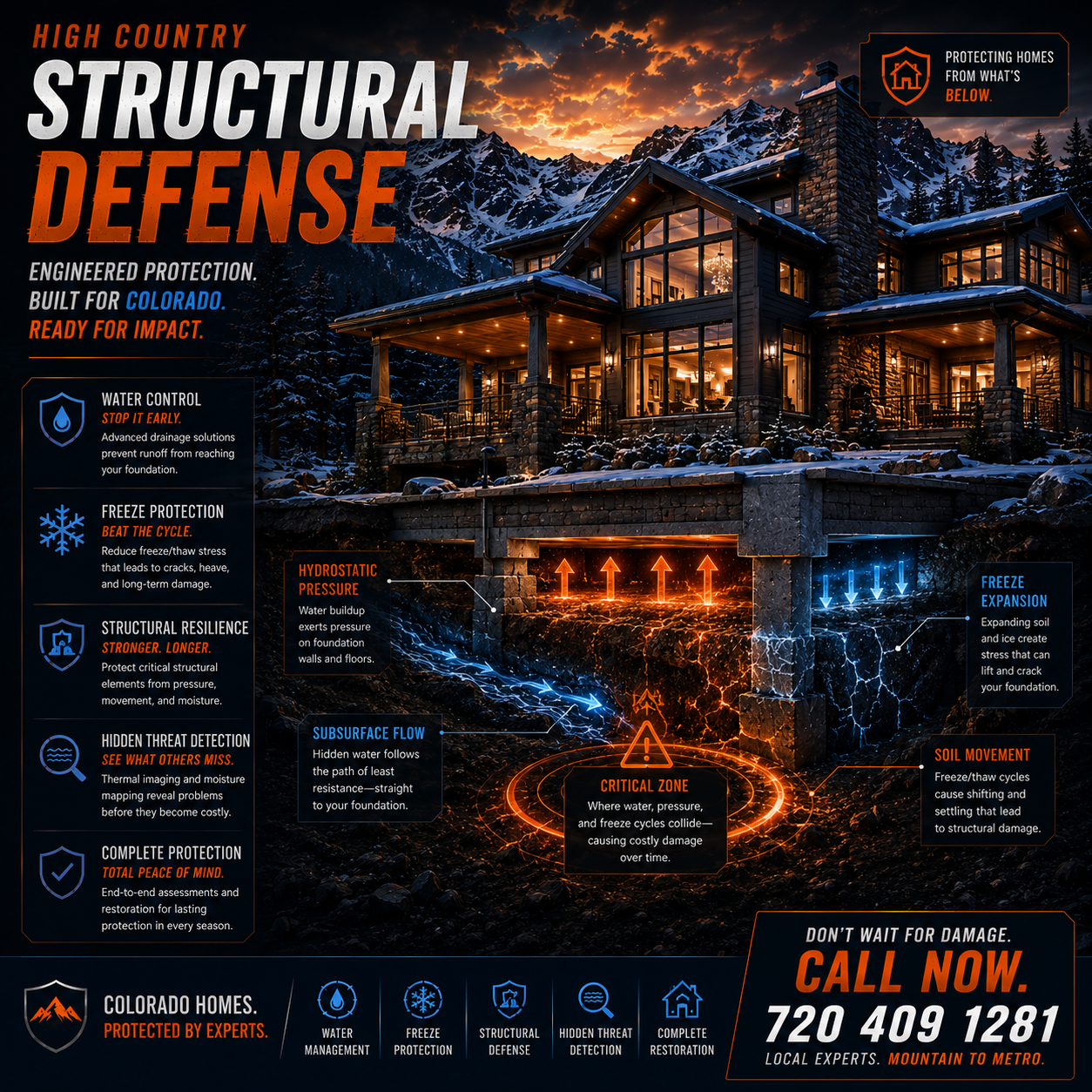
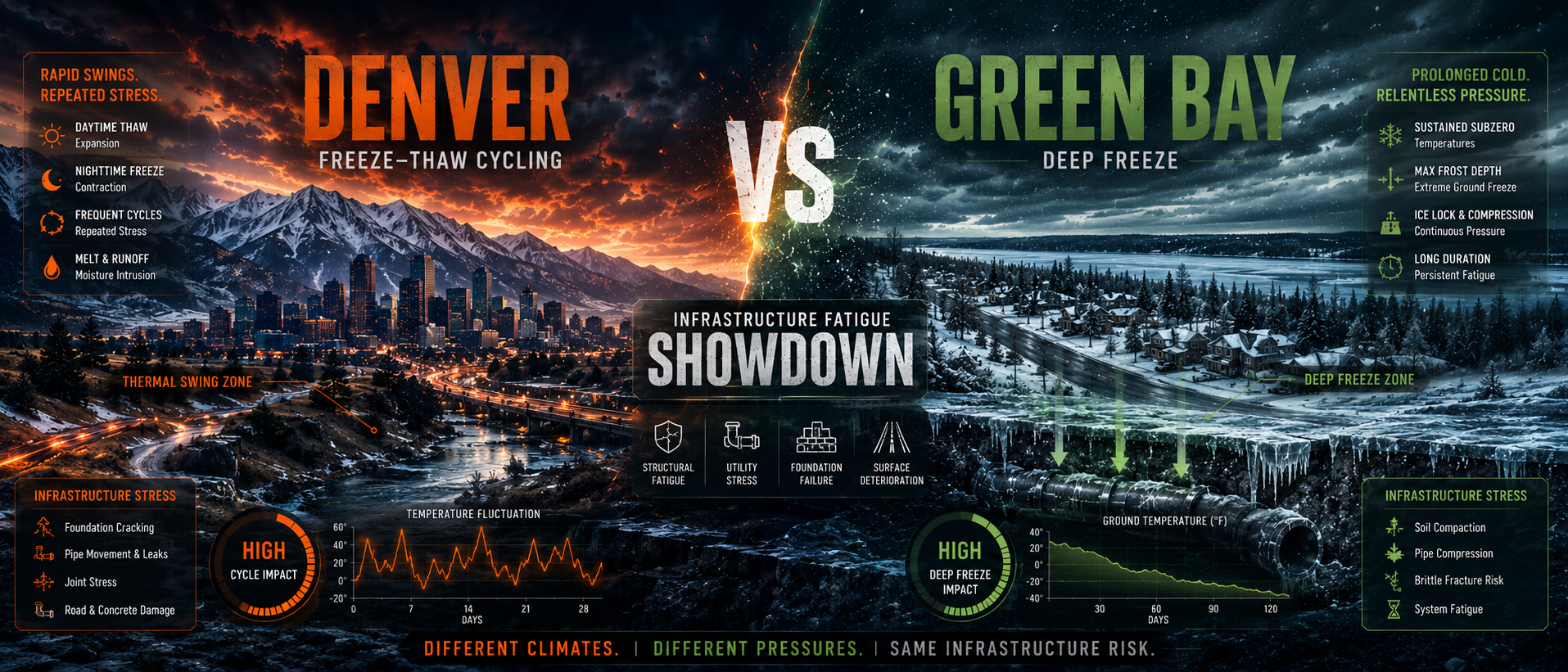
Freeze-thaw cycling throughout the South Metro area places constant stress on plumbing systems hidden behind exterior-facing walls, basement ceilings, garage corridors, and attic spaces. Highlands Ranch temperature swings and Front Range winter pressure regularly contribute to pipe failures affecting finished lower levels and multi-room living areas across Centennial neighborhoods.
Recovery becomes more complicated once moisture reaches layered flooring systems and concealed framing assemblies.
Structural drying and moisture stabilization help prevent cosmetic damage from turning into larger reconstruction problems.
Wall Damage After Burst Pipes
Drywall absorbs water quickly once plumbing lines rupture inside wall systems.
Moisture commonly spreads through:
- Insulation cavities
- Framing assemblies
- Baseboards
- Paint layers
- Electrical penetrations
- Bathroom wall systems
- Ceiling transitions
- Utility corridors
Soft drywall, bubbling paint, staining, and odors often signal deeper, hidden saturation within surrounding structural materials.
Thermal imaging and moisture mapping help identify concealed migration patterns before deterioration expands further through connected wall cavities.
Controlled cavity drying helps stabilize affected wall systems while reducing unnecessary demolition whenever possible.

Floor Damage After Pipe Leaks
Flooring systems throughout Centennial homes become highly vulnerable once water migrates beneath finished surfaces.
Saturation frequently develops beneath:
- Hardwood flooring
- Luxury vinyl planks
- Laminate flooring
- Tile assemblies
- Carpet padding
- Subfloor systems
Finished basements often experience hidden moisture retention long after standing water disappears from the surface.
Older Centennial homes with remodeled lower levels may contain layered flooring systems where trapped moisture remains concealed beneath underlayment materials and insulation cavities.
Subfloor drying becomes critical once water intrusion reaches structural floor assemblies.
Hidden Structural Moisture Behind Walls and Floors
Visible damage rarely reflects the true extent of a pipe failure.
Water often tracks through concealed pathways including:
- Framing systems
- Ceiling cavities
- Subfloor transitions
- Interior wall chases
- Plumbing penetrations
- HVAC openings
- Insulation layers
- Shared structural voids
Infrared moisture detection helps identify trapped saturation without relying solely on visible staining or surface deterioration.
Detailed structural moisture mapping supports targeted drying strategies designed around actual migration patterns.
Structural Drying and Dehumidification Centennial
Properly repairing walls and floors requires stabilization before reconstruction begins.
Colorado elevation shifts and low ambient humidity changes create uneven evaporation behavior after interior flooding events. Materials may appear dry externally while moisture remains trapped deep inside framing and flooring systems.
Structural drying strategies often involve:
- Emergency extraction
- Commercial dehumidification
- Thermal imaging inspections
- Moisture mapping
- Wall cavity drying
- Subfloor drying
- Ceiling cavity drying
- Hardwood floor drying
- Containment systems
- Moisture monitoring
Controlled drying helps reduce secondary deterioration while protecting salvageable materials whenever possible.

Finished Basement Pipe Damage Repair
Finished lower levels throughout Centennial face elevated risks of water exposure after winter pipe failures and plumbing leaks.
Moisture intrusion inside basement environments frequently affects:
- Media rooms
- Guest bedrooms
- Home offices
- Storage spaces
- Utility corridors
- Flooring underlayment
- Basement framing systems
- Insulated wall cavities
Front Range snowmelt and seasonal slab movement often complicate basement moisture behavior after flooding begins.
Continuous moisture monitoring helps stabilize structural conditions beneath finished lower-level environments before long-term deterioration develops.

Ceiling and Upstairs Plumbing Damage
Second-floor pipe failures often create layered structural exposure affecting both walls and flooring below the original leak source.
Water commonly spreads into:
- Ceiling drywall
- Lighting systems
- Hardwood flooring
- Stairwell walls
- Bathroom ceilings
- Adjacent room framing
- Insulation cavities
- Subfloor systems
Ceiling cavity drying becomes increasingly important once trapped saturation develops above finished living spaces.
Mold Prevention After Pipe Damage
Extended moisture exposure inside wall systems and flooring assemblies creates ideal conditions for microbial growth.
Hidden saturation may eventually lead to:
- Odor conditions
- Drywall instability
- Flooring separation
- Air quality concerns
- Ceiling deterioration
- Expanded remediation costs
Dehumidification and structural moisture monitoring help reduce long-term contamination risks after pipe failures.
Wall and Floor Water Damage Repair Centennial
Centennial homes face constant structural pressure from freeze-thaw expansion, hidden plumbing failures, snowmelt runoff, and moisture migration throughout finished living spaces.
Restoration and drying services include:
- Pipe damage cleanup
- Moisture mapping
- Thermal imaging inspections
- Structural drying
- Dehumidification
- Wall cavity drying
- Subfloor drying
- Hardwood floor drying
- Ceiling cavity drying
- Containment systems
- Moisture monitoring
- Hidden moisture detection
Advanced drying systems and detailed structural stabilization help Centennial homeowners restore walls and flooring after severe plumbing and water damage events.