The Science of Drying: How Commercial Dehumidifiers Save Your Structure
Water damage does not end when the water is gone.
In many ways, that is when the real danger begins.
Moisture hides.
It sinks deep into walls, floors, framing, and insulation.
If it is not removed properly, it slowly destroys your home from the inside.
That is why The Science of Drying: How Commercial Dehumidifiers Save Your Structure matters so much for homeowners dealing with water damage.
Drying is not guesswork.
It is science.
And commercial dehumidifiers are the backbone of that process.
Why Removing Visible Water Is Only Step One
Many homeowners think drying is simple.
You mop up water.
You run a fan.
You open windows.
Unfortunately, that is not enough.
Water moves into places you cannot see:
- Behind drywall
- Under flooring
- Inside insulation
- Beneath cabinets
- Within structural framing
Even when surfaces feel dry, moisture can remain trapped deep inside materials.
That trapped moisture causes long-term damage.
What Happens If Moisture Is Not Removed Correctly
Moisture left behind creates a chain reaction.
First, materials weaken.
Wood swells and warps.
Drywall softens and crumbles.
Next, mold conditions form.
Mold needs moisture, oxygen, and time.
Improper drying provides all three.
Finally, structural integrity is affected.
Floors sag.
Walls deteriorate.
Odors develop.
This is why The Science of Drying: How Commercial Dehumidifiers Save Your Structure is not optional after water damage.
It is essential.
Why Household Fans and Dehumidifiers Are Not Enough
Home equipment is designed for comfort.
Not restoration.
Household dehumidifiers remove small amounts of moisture from the air.
They cannot handle saturated structures.
Box fans move air randomly.
They do not control humidity.
They often spread moisture deeper into materials.
Professional drying requires control.
Control of airflow.
Control of temperature.
Control of humidity.
That control comes from commercial-grade equipment.
What Makes Commercial Dehumidifiers Different
Commercial dehumidifiers are engineered for restoration environments.
They remove moisture aggressively.
Continuously.
Precisely.
They are designed to:
- Operate 24/7
- Handle extreme moisture levels
- Pull water from dense materials
- Maintain stable drying conditions
This is the difference between drying a room and drying a structure.
Understanding the Science Behind Structural Drying
Drying is about balance.
Moisture moves from areas of high concentration to low concentration.
The goal is to create conditions where moisture naturally exits materials.
Commercial dehumidifiers lower the moisture content of the air.
This allows wet materials to release trapped moisture.
Air movers then guide that moisture into the air.
The dehumidifier captures it.
This cycle repeats until materials reach safe levels.
Why Measuring Moisture Is Just as Important as Removing It
You cannot dry what you cannot measure.
Professional restoration relies on:
- Moisture meters
- Thermal readings
- Hygrometers
These tools tell technicians exactly where moisture exists.
Drying continues until readings confirm materials are fully dry.
Not guessed.
Confirmed.
This precision protects your home long-term.
How Different Materials Hold Moisture Differently
Every material reacts to water differently.
Drywall
Absorbs water quickly.
Weakens rapidly.
Often requires removal if saturated.
Wood Framing
Holds moisture deep within fibers.
Takes longer to dry.
Requires controlled airflow.
Hardwood Flooring
Expands and cups.
Traps moisture underneath.
Needs targeted drying.
Insulation
Acts like a sponge.
Often must be removed.
Commercial dehumidifiers adjust drying conditions to each material type.
The Role of Temperature in Drying
Temperature matters.
Warm air holds more moisture.
But excessive heat can cause damage.
Professional drying maintains controlled warmth to:
- Accelerate evaporation
- Prevent material stress
- Avoid secondary damage
Commercial systems balance temperature with humidity perfectly.
Low-Grain Refrigerant vs. Desiccant Dehumidifiers
Not all dehumidifiers are the same.
Low-Grain Refrigerant (LGR) Dehumidifiers
- Ideal for most residential drying
- Extremely efficient
- Pull moisture even at low humidity levels
Desiccant Dehumidifiers
- Used for dense materials
- Effective in colder environments
- Often applied in commercial settings
Choosing the right system matters.
Professionals match equipment to the loss.
Why Improper Drying Increases Restoration Costs
When moisture remains, repairs grow.
What could have been saved becomes damaged.
- Cabinets swell
- Flooring buckles
- Walls require replacement
Proper drying minimizes demolition.
That lowers restoration cost.
It also shortens recovery time.
This is one of the biggest benefits of professional drying.
Why Commercial Dehumidifiers Run Constantly
Drying does not stop overnight.
Moisture moves slowly.
Consistency is key.
Commercial dehumidifiers operate continuously to:
- Maintain stable humidity
- Prevent moisture rebound
- Protect drying progress
Turning equipment off too early causes setbacks.
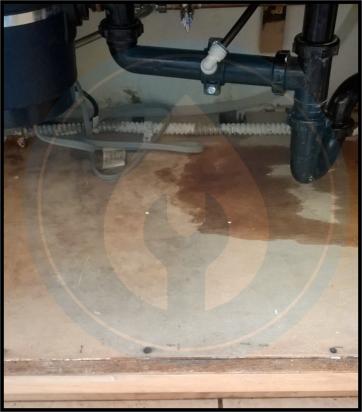
Hidden Moisture Is the Most Dangerous Moisture
The most dangerous moisture is the moisture you cannot see.
Behind walls.
Under floors.
Above ceilings.
This hidden moisture causes:
- Mold growth
- Odor issues
- Structural damage
Commercial drying targets these areas specifically.
How Drying Prevents Mold Before It Starts
Mold prevention begins with moisture control.
Drying quickly removes the conditions mold needs.
That is why timing matters.
The faster drying begins, the lower the mold risk.
This is why emergency response matters.
Why Drying Is a Critical Part of Water Damage Restoration
Drying is not a separate service.
It is the heart of restoration.
Without proper drying:
- Repairs fail
- Mold returns
- Insurance claims become complicated
Drying protects every step that follows.
Residential vs. Commercial Drying Needs
Homes and businesses require different approaches.
Commercial spaces often involve:
- Larger open areas
- Dense construction materials
- Complex HVAC systems
Commercial-grade dehumidifiers scale to meet these demands.
Why DIY Drying Often Makes Damage Worse
DIY drying often spreads moisture.
Fans push water deeper into walls.
Incorrect heat causes warping.
Lack of monitoring misses hidden damage.
Professional drying prevents these mistakes.
How Long Proper Structural Drying Takes
Drying time varies.
It depends on:
- Water category
- Materials affected
- Temperature
- Humidity levels
Most drying takes several days.
Rushing it causes failure.
Patience protects your home.
Monitoring Progress Throughout the Drying Process
Drying is not set-and-forget.
Technicians monitor:
- Daily moisture readings
- Equipment performance
- Environmental conditions
Adjustments are made as materials dry.
This ensures complete results.
Why Airflow Matters as Much as Dehumidification
Air movers guide moisture out of materials.
They:
- Prevent stagnant zones
- Accelerate evaporation
- Improve drying consistency
Airflow and dehumidification work together.
One without the other fails.
What Happens After Drying Is Complete
Once materials are dry:
- Repairs can begin
- Finishes can be restored
- Odors are reduced
- Mold risk is minimized
Drying sets the foundation for successful restoration.
Why Professional Drying Protects Your Investment
Your home is one of your largest investments.
Improper drying compromises that investment quietly.
Commercial dehumidifiers protect:
- Structural integrity
- Indoor air quality
- Long-term property value
This protection lasts long after repairs are complete.
When to Call Professionals Immediately
You should call professionals when:
- Water reached walls or floors
- Moisture entered ceilings
- Multiple rooms are affected
- Water sat longer than a few hours
Early drying reduces damage dramatically.
The Long-Term Cost of Skipping Proper Drying
Skipping proper drying costs more later.
Mold remediation.
Structural repairs.
Odor treatment.
All of these are preventable.
Drying correctly the first time saves money.
Final Thoughts: Drying Is Science, Not Guesswork
Water damage recovery is not about appearance.
It is about what lies beneath.
The Science of Drying: How Commercial Dehumidifiers Save Your Structure explains why professional drying is essential.
Commercial dehumidifiers do not just dry rooms.
They protect homes.
They preserve structures.
They prevent future damage.
Drying done right makes all the difference.
