Emergency Prep: Creating a Water Damage Shut-Off Kit for Your Home
Water damage rarely gives a warning.
It starts suddenly.
A burst pipe.
A failed appliance.
A leaking water heater.
In those first few minutes, your response matters more than anything else.
The difference between minor cleanup and major restoration often comes down to one thing.
How fast you stop the water.
That is where a water damage shut-off kit becomes critical.
This guide explains what a shut-off kit is, why every homeowner should have one, what to include, where to store it, and how it can save your home from devastating damage.
Why Emergency Preparation Matters More Than You Think
Most homeowners prepare for fire.
Few prepare for water.
Yet water damage is one of the most common and expensive home disasters.
Unlike fire, water spreads quietly.
It seeps into walls.
Under floors.
Above ceilings.
By the time you notice it, damage is already spreading.
Preparation shortens reaction time.
Reaction time saves property.
A shut-off kit gives you control when chaos starts.
What Is a Water Damage Shut-Off Kit?
A water damage shut-off kit is a collection of essential tools and supplies that help you:
- Stop the water source immediately
- Protect your home from further damage
- Document damage for insurance
- Respond safely and efficiently
It is not complicated.
It does not require technical skills.
But it must be ready and accessible.
Why the First Minutes Are So Critical
Water moves fast.
A single broken supply line can release hundreds of gallons per hour.
In just 10 minutes:
- Drywall begins absorbing moisture
- Flooring starts swelling
- Insulation becomes saturated
In one hour:
- Structural materials are affected
- Mold conditions begin forming
Stopping the water quickly limits damage dramatically.
Every minute counts.
Why Many Homeowners Fail to Shut Off Water in Time
Most delays come from simple issues:
- Not knowing where the shut-off valve is
- Not having the right tool
- Valves being stuck or corroded
- Panic and confusion
A shut-off kit solves all of these problems in advance.
Understanding Your Home’s Water Shut-Off Points
Before building a kit, you must know your shut-off locations.
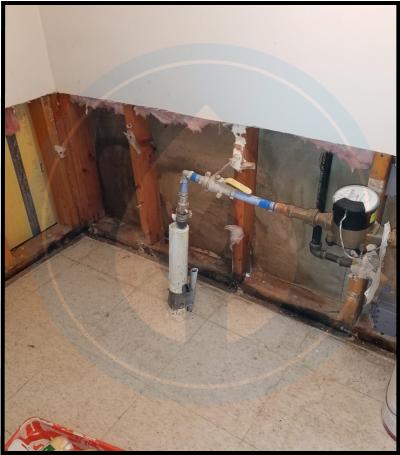
Main Water Shut-Off Valve
This controls water entering your entire home.
It is commonly located:
- Near the water meter
- In basements
- In crawl spaces
- In utility rooms
Every adult in the household should know this location.
Appliance-Specific Shut-Off Valves
These include valves for:
- Toilets
- Washing machines
- Dishwashers
- Water heaters
Knowing these allows you to isolate problems without shutting off the whole house.
The Core Purpose of a Shut-Off Kit
A proper kit helps you:
- Act immediately
- Avoid searching for tools
- Reduce panic
- Minimize damage
- Improve insurance outcomes
It turns a stressful situation into a controlled response.
Essential Tools for Your Water Damage Shut-Off Kit
Let’s break this down clearly.
Adjustable Wrench
Many shut-off valves require a wrench.
Choose one that:
- Fits your main valve
- Has a comfortable grip
- Is rust-resistant
Do not assume a regular wrench will fit.
Test it in advance.
Water Meter Key (If Applicable)
Some homes require a meter key to shut off water at the street.
This is especially important for older homes.
Keep one in your kit if needed.
Channel-Lock Pliers
These provide extra grip for stuck or corroded valves.
They help when regular wrenches fail.
Flashlight with Extra Batteries
Water damage often happens at night.
Power may be out.
A reliable flashlight is non-negotiable.
Choose LED for longer battery life.
Headlamp (Highly Recommended)
A headlamp keeps your hands free.
This is invaluable in tight spaces like crawl spaces or basements.
Safety Supplies You Should Never Skip
Water damage situations can be hazardous.
Your kit should include:
Rubber Gloves
Protect against contaminated water and sharp debris.
Non-Slip Shoes or Boot Covers
Wet floors are dangerous.
Falls cause injuries during emergencies.
Dust Masks or Respirators
Especially useful if drywall or insulation becomes exposed.
Damage Control Supplies to Include
These items help minimize spread while help is on the way.
Absorbent Towels or Rags
Quickly contain small leaks.
Plastic Sheeting
Cover furniture, electronics, and flooring.
Duct Tape
Temporary sealing.
Securing plastic.
Fast fixes.
Buckets
Catch dripping water.
Prevent pooling.
Documentation Tools for Insurance Protection
Insurance claims depend on evidence.
Include these items:
Waterproof Notepad and Pen
Write down times, observations, and actions taken.
Phone Charger or Power Bank
Your phone becomes your camera, flashlight, and communication tool.
Dead batteries delay everything.
Optional but Highly Valuable Additions
These are not mandatory, but extremely helpful.
Moisture Alarm or Leak Detector
Early alerts prevent disasters while you sleep or are away.
Shut-Off Valve Labels
Clear labels save time.
Especially for guests or family members.
Emergency Contact List
Include:
- Plumber
- Water damage restoration company
- Insurance agent
- Property manager (if applicable)
Do not rely on memory during stress.
Where to Store Your Shut-Off Kit
Location matters.
Your kit should be:
- Easy to access
- Known to everyone
- Not stored near potential flooding
Best locations include:
- Kitchen cabinet near sink
- Utility room shelf
- Garage wall cabinet
Avoid basements prone to flooding.
Training Your Household to Use the Kit
A kit is useless if no one knows how to use it.
Take time to:
- Show everyone the main shut-off
- Practice turning it off
- Explain when to shut off water
Children should know who to call.
Adults should know what to do.
Step-by-Step: How to Use Your Shut-Off Kit During an Emergency
Let’s walk through it calmly.
Step 1: Identify the Leak Source
Is it localized or widespread?
Step 2: Shut Off Water Immediately
Use appliance valves if possible.
If unsure, shut off the main valve.
Step 3: Cut Electricity If Necessary
Water and electricity are dangerous together.
Step 4: Contain the Water
Use towels, buckets, and plastic.
Step 5: Document Everything
Photos.
Videos.
Notes.
Step 6: Call Professionals
Plumbers fix the source.
Restoration experts fix the damage.
Common Mistakes Homeowners Make During Water Emergencies
Avoid these errors:
- Waiting too long to shut off water
- Running HVAC systems during leaks
- Ignoring slow drips
- Assuming insurance covers everything
- Using household fans incorrectly
Preparation prevents these mistakes.
Why Quick Shut-Off Reduces Mold Risk
Mold needs moisture.
Stopping water early limits:
- Material saturation
- Humidity levels
- Mold growth potential
Drying becomes easier.
Restoration becomes faster.
How a Shut-Off Kit Helps With Insurance Claims
Insurance companies look for:
- Prompt action
- Evidence of mitigation
- Reasonable response
A shut-off kit supports all three.
It shows responsibility, not neglect.
Water Damage Scenarios Where a Shut-Off Kit Is Critical
These events happen every day:
- Washing machine hose bursts
- Toilet supply line fails
- Water heater ruptures
- Sink supply lines leak
- Dishwasher connections loosen
Each requires immediate response.
Seasonal Risks That Increase Water Emergencies
Different seasons bring different risks.
Winter
- Frozen pipes
- Cracked supply lines
Spring
- Thawing damage reveals leaks
Summer
- HVAC condensation overflows
Fall
- Appliance strain before winter
Your kit works year-round.
How Often You Should Check and Update Your Kit
Set a schedule.
Every six months:
- Test flashlights
- Replace batteries
- Inspect tools
- Update contact numbers
A forgotten kit is as bad as no kit.
Why Water Damage Prep Is Part of Responsible Homeownership
Emergencies are not about luck.
They are about readiness.
A shut-off kit costs little.
It saves thousands.
It reduces stress.
Protects your home.
Protects your family.
Teaching Kids and Elderly Family Members What to Do
Simple instructions matter.
Teach:
- Who to call
- Where the kit is
- When not to touch water
Safety comes first.
When a Shut-Off Kit Is Not Enough
Stopping water is only the beginning.
Hidden moisture requires professional equipment.
Structural drying prevents long-term damage.
Do not assume stopping water solves everything.
Final Thoughts: Preparation Is the Real Emergency Plan
Water damage does not wait.
Neither should you.
A shut-off kit gives you power in the moment when it matters most.
It turns panic into action.
Confusion into clarity.
Damage into control.
Prepared homes recover faster.
Preparation starts today.
