How Long Does Water Damage Restoration Really Take?
This is one of the first questions homeowners ask after water damage.
And it’s a fair one.
Your life is disrupted. Your home feels unsafe. You want normal back as fast as possible. Yet the answer isn’t always simple, because water damage restoration is a process, not a single step.
Some jobs take days. Others take weeks. A few take longer.
The key is understanding why timelines vary and what actually happens at each stage. When you understand the process, the waiting feels more manageable — and the results are far better.
Why There’s No One-Size-Fits-All Timeline
Every water loss is different.
Restoration time depends on:
- Where the water came from
- How long it sat
- How far it spread
- What materials were affected
- How quickly mitigation began
A small supply line leak is very different from a flooded basement or sewer backup.
The Big Picture: Restoration Happens in Phases
Most water damage restoration follows the same general phases:
- Emergency response
- Water removal
- Drying and dehumidification
- Damage assessment and removal
- Repairs and rebuilding
Understanding these phases explains the timeline better than any single number.
Phase 1: Emergency Response (Same Day)
This phase starts fast.
In most professional cases:
- A crew arrives within hours
- The water source is stopped
- Safety hazards are addressed
Emergency response usually happens the same day the loss is reported.
This step prevents the damage from getting worse.
Phase 2: Water Extraction (1 Day or Less)
Once on site, standing water is removed.
This may include:
- Pumping large volumes
- Vacuum extraction
- Wet surface removal
In most homes, extraction takes several hours to one full day.
The goal is speed. The faster water is removed, the less damage spreads.
Phase 3: Drying and Dehumidification (3–7 Days)
This is where many homeowners get impatient — and where patience matters most.
Drying includes:
- Air movers
- Dehumidifiers
- Moisture monitoring
- Daily adjustments
Most drying projects take three to seven days.
Some take longer depending on materials and moisture depth.
Why Drying Takes Time (And Can’t Be Rushed)
Water doesn’t just sit on the surface.
It soaks into:
- Drywall
- Framing
- Subfloors
- Insulation
Drying too fast can cause:
- Warping
- Cracking
- Mold growth
- Structural issues
Controlled drying protects your home long-term.
Phase 4: Damage Assessment and Material Removal (1–3 Days)
Once moisture levels stabilize, damaged materials are addressed.
This may include:
- Drywall removal
- Flooring removal
- Insulation removal
- Baseboard and trim removal
Small losses may need minimal removal. Larger losses take longer.
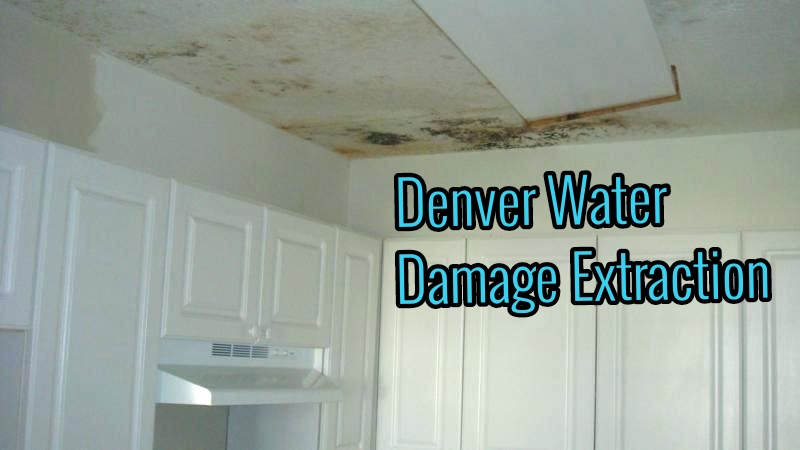
Hidden Damage Can Extend Timelines
This is where surprises happen.
Water often travels:
- Behind walls
- Under cabinets
- Beneath floors
- Into ceilings
When hidden damage is found, additional drying or removal may be required. That adds time, but it prevents future problems.
Phase 5: Repairs and Rebuild (1–4+ Weeks)
This is the phase homeowners usually think of as “restoration.”
Repairs may include:
- Drywall installation
- Texture matching
- Painting
- Flooring replacement
- Cabinet or trim work
Repair timelines vary widely based on:
- Scope of damage
- Material availability
- Insurance approvals
- Contractor scheduling
Why Repairs Often Take Longer Than Drying
Drying is controlled by equipment and physics.
Repairs depend on:
- Trade availability
- Custom materials
- Matching existing finishes
- Permit requirements in some cases
This phase requires coordination, not just equipment.
Insurance Can Affect the Timeline
Insurance claims add steps.
Delays may come from:
- Adjuster inspections
- Scope approvals
- Supplement reviews
Clear documentation and experienced restoration teams help minimize these delays.
What Speeds Up the Process
Restoration moves faster when:
- Mitigation starts immediately
- Documentation is thorough
- Decisions are made quickly
- Communication stays clear
Early action saves days — sometimes weeks.
What Slows the Process
Delays often come from:
- Waiting to report damage
- Choosing the cheapest contractor
- Incomplete drying
- Missed hidden damage
- Poor documentation
Shortcuts almost always cost time later.
How Mold Changes the Timeline
If mold develops, restoration takes longer.
Mold requires:
- Containment
- Air filtration
- Specialized removal
- Clearance verification
Mold prevention through proper drying is faster than mold remediation later.
Basements Often Take Longer
Basements dry slower because:
- They’re below grade
- They have less airflow
- Materials stay cooler
Flooded basements often add days to the drying phase.
Commercial Properties Have Different Timelines
Commercial restoration depends on:
- Square footage
- Business operations
- Code requirements
- Occupancy needs
Some commercial spaces dry quickly. Others require phased restoration.
Can You Live in the Home During Restoration?
Sometimes yes. Sometimes no.
You may need to relocate if:
- Power is shut off
- Bathrooms are unusable
- Air quality is compromised
- Safety hazards exist
Temporary inconvenience often speeds safe restoration.
Why Rushing Restoration Is Risky
Trying to “get back to normal” too fast can lead to:
- Mold growth
- Odors
- Structural damage
- Repeated repairs
Proper restoration protects your home for years, not just weeks.
What a Realistic Timeline Looks Like
For many residential water losses:
- Emergency response: same day
- Drying: 3–7 days
- Repairs: 1–4 weeks
Large or complex losses may take longer.
Communication Makes Time Feel Shorter
Even when restoration takes time, good communication helps.
You should always know:
- What stage you’re in
- What’s happening next
- Why delays exist
Uncertainty causes more stress than time itself.
Why Experience Matters for Timelines
Experienced restoration teams:
- Identify damage faster
- Use proper drying methods
- Avoid rework
- Communicate clearly
That efficiency saves time overall.
Final Answer: How Long Does It Really Take?
Water damage restoration takes as long as it needs to be done right.
Quick fixes create long-term problems. Proper restoration creates lasting results.
While no two jobs are identical, understanding the phases helps you set realistic expectations — and avoid unnecessary stress.
The goal isn’t just speed.
The goal is a home that’s dry, safe, healthy, and fully restored.
