
Deductible Demystified: Paying for Water Damage Repair
Water damage never arrives with a warning.
A pipe bursts overnight. A water heater fails without signs. Heavy rain overwhelms a basement drain. A small appliance leak turns into soaked drywall and warped floors.
In the aftermath, homeowners are forced to make fast decisions during a stressful moment. One of the first and most confusing questions that comes up is about insurance deductibles.
What does the deductible actually mean?
When do you pay it?
How does it affect your total restoration cost?
And can anything be done to reduce out-of-pocket expenses?
Deductible Demystified: Paying for Water Damage Repair is designed to answer those questions clearly and honestly.
Homeowners across Denver, Aurora, Lakewood, Thornton, Westminster, Arvada, Centennial, Littleton, Broomfield, and Commerce City face unique water damage risks due to weather, aging infrastructure, and seasonal extremes. Understanding how deductibles work in real-world water damage scenarios helps homeowners restore their property faster and with fewer financial surprises.
At Water Damage Repair Denver, we help homeowners understand restoration costs, coordinate directly with insurance adjusters, and complete high-quality repairs using certified technicians. Transparency matters, especially when money and home safety are involved.
What Is a Deductible?
A deductible is the portion of an insurance claim that the homeowner is responsible for paying before the insurance carrier covers the remaining approved costs.
It is not a penalty.
It is not an extra charge.
It is part of your policy agreement.
Here is a simple example:
- Total approved water damage repair: $10,000
- Insurance deductible: $1,000
- Homeowner pays: $1,000
- Insurance pays: $9,000
The deductible represents your share of the loss. Once that amount is applied, insurance coverage takes over based on your policy limits and terms.
Understanding this concept early helps homeowners plan financially and avoid frustration during restoration.
Common Types of Deductibles
Not all deductibles are the same. Policies may include different deductible structures depending on coverage type.
Fixed Dollar Deductibles
These are the most common.
Typical amounts include:
- $500
- $1,000
- $2,500
The amount stays the same regardless of claim size.
Percentage-Based Deductibles
Often used in flood insurance or special endorsements.
Examples:
- 1% to 5% of the insured home value
If your home is insured for $400,000 and your deductible is 2%, your deductible is $8,000.
Percentage deductibles can significantly impact out-of-pocket costs, especially in severe water damage events.
Why Deductibles Exist
Deductibles help insurance systems function fairly.
They:
- Reduce small or unnecessary claims
- Encourage preventative maintenance
- Keep premiums more affordable
- Share financial responsibility
From a homeowner’s perspective, deductibles are simply the tradeoff for lower monthly insurance costs.
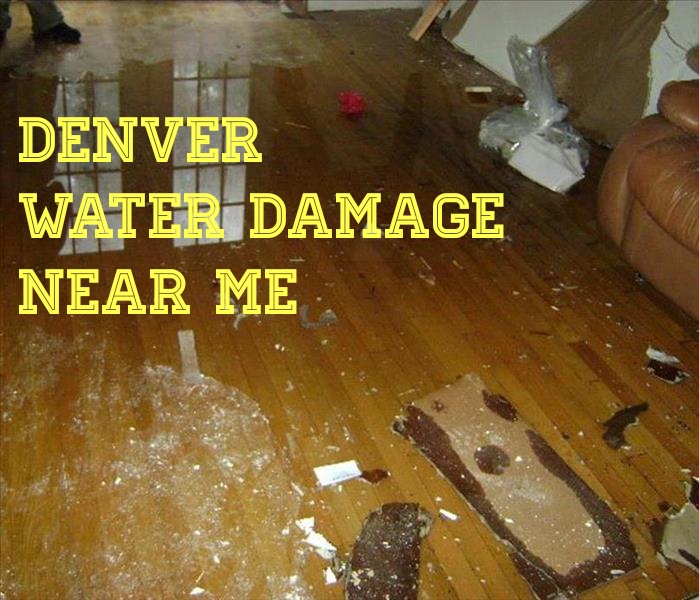
Types of Water Damage That Affect Deductibles
Insurance coverage and deductibles depend heavily on the source and category of water.
Clean Water Damage
Examples:
- Burst pipes
- Supply line leaks
- Water heater failures
Typically covered under standard homeowners insurance with a normal deductible.
Gray Water Damage
Examples:
- Dishwasher overflows
- Washing machine leaks
Coverage may apply, but deductibles still apply and sanitation costs may be limited.
Black Water Damage
Examples:
- Sewage backups
- Floodwater intrusion
Often requires:
- Separate endorsements
- Higher deductibles
- Flood insurance policies
At Water Damage Repair Denver, we help homeowners properly identify water categories, which directly affects deductible application and claim approval.
How Deductibles Impact Restoration Costs
Deductibles influence how much a homeowner ultimately pays, but their impact varies depending on the severity of damage.
Minor Water Damage
If restoration costs are less than the deductible, insurance may not issue payment.
Example:
- Repair cost: $800
- Deductible: $1,000
- Homeowner pays full amount
In these cases, filing a claim may not be beneficial.
Moderate Water Damage
Deductible represents a small portion of total cost.
Example:
- Repair cost: $6,500
- Deductible: $1,000
- Homeowner pays ~15%
Severe Water Damage
Deductible becomes a minimal percentage of the loss.
Example:
- Flooded basement restoration: $18,000
- Deductible: $1,500
- Homeowner pays under 10%
Certified restoration minimizes hidden costs and prevents secondary damage beyond the deductible.
Why Understanding Deductibles Matters
Homeowners who understand their deductible avoid common frustrations.
Prevents Financial Surprises
You know what to expect before work begins.
Supports Smarter Decisions
You can decide whether filing a claim makes sense.
Strengthens Insurance Negotiations
Clear documentation and certified estimates support claim amounts above the deductible.
At Water Damage Repair Denver, we provide:
- Detailed restoration estimates
- Moisture documentation
- Photo and video evidence
- Adjuster-friendly reports
This helps homeowners receive fair claim settlements.
Common Deductible Misconceptions
“I Don’t Have to Pay the Deductible if the Damage Is Small.”
False. The deductible applies regardless of claim size if the claim is filed.
“A Higher Deductible Always Saves Money.”
Lower premiums come with higher out-of-pocket risk during water damage events.
“Insurance Covers Everything After the Deductible.”
Not always. Coverage limits, exclusions, and policy wording matter.
Understanding these misconceptions protects homeowners from disappointment.
How Deductibles Work With Different Insurance Policies
Standard Homeowners Insurance
Covers sudden, accidental water damage.
Does not usually cover flooding or long-term leaks.
Deductible applies per incident.
Flood Insurance
Separate policy.
Often required in flood-prone Denver-area zones.
Typically has percentage-based deductibles.
Sewer Backup Coverage
Optional endorsement.
Covers sewage cleanup.
May have a separate deductible or coverage cap.
How to Calculate Your Deductible Correctly
- Review your declarations page
- Confirm deductible type and amount
- Ask how incidents are defined
- Verify if multiple deductibles apply
Our team often helps homeowners review policy basics before restoration begins.
Sample Restoration Cost Breakdown
Typical Denver-area water damage scenario:
- Emergency water removal: $900
- Flooded basement cleanup: $2,800
- Drywall water damage repair: $1,400
- Ceiling water damage repair: $1,200
- Structural drying & mold prevention: $1,700
Total: $8,000
With a $1,000 deductible:
- Homeowner pays: $1,000
- Insurance pays: $7,000
Tips for Managing Deductibles Effectively
- Compare estimates based on quality, not price
- Document everything immediately
- Act fast to reduce damage spread
- Work with certified professionals
- Avoid contractors offering deductible waivers
Professional mitigation reduces total loss cost.
How Water Damage Repair Denver Helps Homeowners
- IICRC-certified technicians
- 24/7 emergency response
- Accurate moisture detection
- Structural drying expertise
- Insurance-ready documentation
We handle water mitigation, drywall and ceiling repair, flooded basement cleanup, and mold prevention with precision.
Real-Life Deductible Scenario
A Lakewood homeowner experienced a winter pipe burst.
- Damage: living room + basement
- Restoration cost: $12,500
- Deductible: $1,500
Outcome:
- Homeowner paid $1,500
- Insurance covered $11,000
- Restoration completed in 5 days
Clear documentation prevented claim disputes.
Why Contractor Choice Impacts Deductibles
Cheap bids often:
- Miss hidden damage
- Skip proper drying
- Create future repairs
Certified restoration protects both the home and the insurance claim.
Local Denver-Area Factors Affecting Deductibles
- Winter pipe bursts
- Snowmelt basement flooding
- Aging plumbing in older homes
- Heavy rainfall events
- Commercial property losses
Understanding regional risks helps homeowners plan better coverage.
Preventing Unexpected Costs
- Maintain plumbing and water heaters
- Inspect roofs and drainage
- Address small leaks early
- Keep photo inventories
- Document mitigation efforts
Smart Deductible Strategies
- Balance premium vs. deductible
- Maintain emergency savings
- Use professional mitigation immediately
- Choose certified restoration partners
Conclusion: Deductible Demystified
Water damage is stressful enough without financial confusion.
Key takeaways:
- Deductibles are your responsibility
- Fast, certified restoration reduces costs
- Documentation protects your claim
- Professional guidance makes the process smoother
At Water Damage Repair Denver, we provide:
- Emergency water removal
- Structural drying and mold prevention
- Drywall and ceiling restoration
- Insurance-ready documentation
Homeowners throughout Denver, Aurora, Lakewood, Thornton, Westminster, Arvada, Centennial, Littleton, Broomfield, and Commerce City trust us to restore their homes safely, efficiently, and cost-effectively.
Understanding your deductible gives you control.
Professional restoration protects your investment.
