Hidden Danger: 7 Signs You Have Water Damage You Can’t See
Water damage does not always announce itself with puddles on the floor or water dripping from the ceiling. In many Denver homes, the most serious water damage is the kind you never see. It hides behind walls. It spreads under floors. It builds inside ceilings, insulation, and framing. By the time visible signs appear, damage has often been present for weeks or even months.
Hidden water damage is dangerous because it silently weakens structures, fuels mold growth, and compromises indoor air quality. Homeowners often mistake early warning signs for normal aging, seasonal changes, or minor cosmetic issues. In reality, these subtle symptoms are often signals that water is already moving through parts of the home it should never reach.
Understanding these warning signs is one of the most powerful ways to protect your property. Early detection can mean the difference between a small repair and a major restoration project. This guide walks through seven of the most common signs of hidden water damage and explains what they mean, why they matter, and what to do when you notice them.
Why Hidden Water Damage Is So Dangerous
Visible water damage is alarming. Hidden water damage is deceptive.
When water remains concealed:
- Materials stay wet longer
- Mold growth accelerates
- Structural components weaken silently
- Repair costs increase dramatically
- Health risks grow unnoticed
Water does not need much space to cause damage. It only needs time.
How Water Moves Through a Home
Water follows predictable paths. It moves downward with gravity. It spreads outward through porous materials. It collects in low points and enclosed spaces.
Common hidden pathways include:
- Behind drywall
- Inside ceiling cavities
- Beneath flooring
- Around plumbing penetrations
- Inside insulation
Once water enters these spaces, it becomes difficult to detect without experience or specialized tools.
Sign #1: Persistent Musty or Damp Odors
One of the earliest and most common signs of hidden water damage is smell. A musty odor is not normal. It is not just “basement smell.” It is often the scent of moisture and microbial growth.
These odors are typically caused by:
- Damp building materials
- Mold spores growing out of sight
- Trapped moisture behind walls or under floors
If a room smells damp even when it looks dry, water is likely present somewhere you cannot see.
Why Odors Appear Before Visual Damage
Smells travel faster than visible damage appears. Mold can begin producing odors long before colonies become large enough to show through drywall or flooring.
This is especially common in:
- Basements
- Bathrooms
- Laundry rooms
- Closets near plumbing
Ignoring persistent odors allows damage to worsen silently.
Sign #2: Discoloration That Comes and Goes
Water stains are not always permanent. Some appear, fade, and then return. This cycle often indicates an intermittent water source, such as a slow plumbing leak or roof issue.
Discoloration may appear as:
- Yellow or brown stains
- Faint rings or blotches
- Shadowy patches on walls or ceilings
When stains change over time, water is still active.
Why Temporary Stains Are a Warning Sign
A stain that fades does not mean the problem is gone. It often means moisture levels temporarily dropped, but water remains trapped in materials.
Seasonal changes, humidity, and temperature shifts can mask or reveal hidden damage.
Sign #3: Warping, Buckling, or Soft Surfaces
Water weakens materials from the inside out. When wood, drywall, or flooring absorbs moisture, it loses strength and shape.
Signs include:
- Soft spots in flooring
- Warped baseboards
- Buckling wood floors
- Sagging drywall
These changes often happen gradually and are easy to overlook.
Why Structural Changes Matter
Structural distortion is a sign that materials have been wet for an extended period. At this stage, drying alone may not be enough. Replacement may be required to restore safety.
Early detection prevents deeper structural involvement.
Sign #4: Peeling Paint or Bubbling Finishes
Paint and finishes act as a barrier. When water pushes from behind, that barrier fails.
Warning signs include:
- Bubbling paint
- Peeling or cracking finishes
- Wallpaper separating from walls
These symptoms often appear far from the actual water source.
Why Paint Fails When Water Is Hidden
Moisture trapped behind walls creates pressure. As water evaporates, it forces finishes to separate from the surface.
Paint failure is rarely cosmetic when it occurs unexpectedly.
Sign #5: Sudden Increase in Humidity or Condensation
If your home suddenly feels more humid, water may already be present.
Signs include:
- Condensation on windows
- Damp air feeling heavy
- Dehumidifiers filling faster than normal
Hidden water releases moisture into the air continuously.
Why Humidity Is a Red Flag
High humidity feeds mold growth and damages materials. When humidity rises without an obvious reason, hidden water should be suspected.
Basements and lower levels are especially vulnerable.
Sign #6: Mold in Unexpected Places
Mold growth on visible surfaces is often just the tip of the iceberg.
Unexpected mold locations include:
- Closet corners
- Behind furniture
- Along baseboards
- Near ceilings
Visible mold often means hidden mold is already established.
Why Mold Indicates Deeper Moisture Problems
Mold requires moisture to survive. If mold is present where water should not be, there is likely a hidden moisture source nearby.
Surface cleaning does not solve the underlying issue.
Sign #7: Unexplained Changes in Utility Bills
Water damage sometimes reveals itself financially before physically.
Warning signs include:
- Sudden spikes in water bills
- Increased energy costs due to damp insulation
- Heating or cooling systems working harder
Hidden leaks waste water and reduce energy efficiency.
Why Bills Can Reveal Hidden Damage
Water flowing where it should not increases consumption. Moist insulation loses effectiveness, forcing HVAC systems to compensate.
These changes often go unnoticed without close review.
Common Places Hidden Water Damage Develops
Certain areas are more prone to concealed moisture.
High-risk locations include:
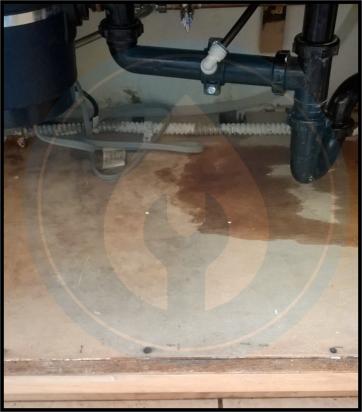
- Under sinks
- Behind showers and tubs
- Around water heaters
- Beneath appliances
- Inside attic spaces
- Along exterior walls
Routine checks reduce long-term risk.
Why Denver Homes Are Especially Vulnerable
Denver’s climate contributes to hidden water damage.
Factors include:
- Freeze-thaw cycles stressing pipes
- Snowmelt saturating foundations
- Sudden heavy rainfall
- Aging infrastructure in older neighborhoods
Local conditions make vigilance essential.
The Long-Term Risks of Ignoring Hidden Water Damage
Unchecked water damage leads to:
- Structural deterioration
- Mold-related health issues
- Reduced property value
- Expensive repairs
Time always makes water damage worse.
Why DIY Detection Is Often Not Enough
Some signs are easy to miss. Others require professional tools.
Professionals use:
- Moisture meters
- Thermal imaging
- Humidity mapping
- Visual inspection experience
Technology confirms what the eye cannot see.
Health Impacts of Hidden Moisture and Mold
Prolonged exposure to moisture and mold can cause:
- Respiratory irritation
- Allergic reactions
- Headaches
- Fatigue
Children and older adults are especially sensitive.
What to Do When You Suspect Hidden Water Damage
Do not ignore your instincts.
Steps to take:
- Investigate unusual smells or stains
- Monitor changes over time
- Avoid covering symptoms with paint or cleaning
- Seek professional evaluation if signs persist
Early action saves money and stress.
Why Early Detection Changes Everything
When water damage is caught early:
- Materials can often be dried instead of replaced
- Mold growth is limited
- Structural integrity is preserved
- Repairs are faster and less invasive
Timing determines outcomes.
The Role of Professional Assessment
A thorough assessment provides clarity.
Professionals identify:
- Moisture sources
- Affected materials
- Drying needs
- Repair scope
Guesswork is eliminated.
Prevention Is the Best Defense
Hidden water damage thrives on neglect.
Preventive habits include:
- Regular inspections
- Prompt plumbing repairs
- Humidity control
- Exterior drainage maintenance
Consistent care reduces risk.
Building Awareness Protects Your Home
Water damage does not have to be dramatic to be destructive. The quiet signs are often the most important.
By understanding these seven warning signs, homeowners can act before damage spreads. Awareness leads to prevention. Prevention leads to protection.
Final Thoughts on Hidden Water Damage
Water damage does not always shout. Sometimes it whispers. Smells. Subtle changes. Small distortions. These signs are easy to dismiss until it is too late.
Listening early makes all the difference.
Hidden danger becomes manageable when you know what to look for.
