From Freezing Temps to Full Restoration: Your Denver Pipe Burst Solution
Denver winters don’t give warnings. One night, everything is normal. By morning, temperatures have dropped below zero, pipes freeze, and suddenly your home is dealing with a burst pipe and uncontrolled water damage. What starts as a weather problem quickly becomes a full-scale property emergency.
This page walks you through the entire journey — from the moment freezing temperatures threaten your plumbing to the final stage of complete restoration. Not in a technical or overwhelming way, but in a clear, realistic flow that mirrors what Denver homeowners actually experience.
If you’ve ever wondered what really happens after a pipe bursts, why some homes recover smoothly while others struggle for months, or how the right response turns disaster into recovery, this is your complete answer.
How Freezing Temperatures Trigger a Chain Reaction in Denver Homes
Denver’s climate is unique. Rapid temperature swings, dry air, and older housing infrastructure create the perfect environment for pipe failures. Pipes don’t just freeze because it’s cold — they freeze because heat distribution inside homes becomes uneven during extreme cold snaps.
Exterior walls, crawl spaces, garages, attics, and uninsulated chases lose warmth first. Water sitting in those pipes expands as it freezes, increasing pressure from the inside out. Copper, PEX, and even newer materials all have limits. Once that pressure exceeds tolerance, the pipe fails.
But here’s the part many homeowners don’t realize:
The pipe often bursts while still frozen.
The water doesn’t flow immediately. Damage stays hidden — until temperatures rise.
That’s when the real emergency begins.
The Moment the Ice Melts: When a Frozen Pipe Becomes a Flood
As Denver temperatures climb, frozen pipes thaw rapidly. The ice plug releases. Water rushes through the break with full pressure. If no one is home, flooding can continue for hours.
Water spreads faster than expected:
- Down walls
- Across ceilings
- Through insulation
- Under flooring
- Into basements and crawl spaces
Within minutes, structural materials begin absorbing moisture. Within hours, ceilings sag and floors warp. Within days, mold risk increases dramatically.
This is why frozen pipes are not just plumbing failures — they are water damage emergencies.
Step One: Immediate Control Before Damage Spreads
The first phase of a successful recovery is control.
Before repairs, drying, or insurance conversations can happen, the situation must be stabilized. This means:
- Shutting off the water supply
- Stopping active flow
- Preventing further saturation
Homes that delay this step experience exponential damage. Water doesn’t stop on its own. Gravity ensures it keeps moving until something intervenes.
Quick control protects:
- Structural integrity
- Electrical systems
- Finished surfaces
- Personal belongings
This single step determines how complex restoration will become.
Why Full Restoration Is More Than “Drying Things Out”
Many homeowners believe restoration simply means drying visible water. That misconception leads to long-term problems.
True restoration addresses:
- Surface water
- Absorbed moisture
- Hidden saturation
- Structural stability
- Indoor air quality
Water seeps into places you cannot see or feel. Drywall absorbs moisture like a sponge. Wood swells. Insulation traps water silently. Without proper mitigation, damage continues even after surfaces appear dry.
Restoration is about returning the home to a safe, stable condition, not just removing water.
Assessment: Understanding the Real Scope of Damage
Once water is controlled, the next phase is assessment.
This is where experienced professionals make a critical difference. Moisture detection tools identify:
- Wet framing
- Saturated insulation
- Ceiling cavities holding water
- Flooring sublayers affected by seepage
Denver homes vary widely in construction style. Older homes often hide damage behind plaster or layered drywall. Newer homes may trap moisture inside sealed wall systems.
A thorough assessment prevents surprises later in the process.
Drying the Structure the Right Way
Drying is not passive. Opening windows or running fans is rarely effective in Denver’s dry winter air.
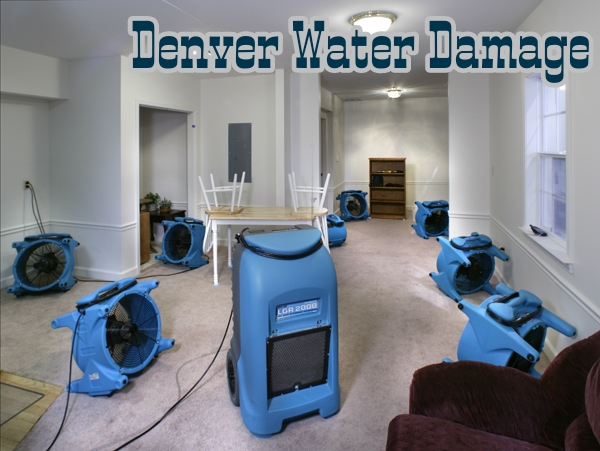
Professional drying involves:
- Air movers positioned strategically
- Commercial dehumidifiers balancing humidity
- Controlled airflow preventing damage spread
- Continuous monitoring and adjustments
The goal is not speed alone — it’s even, complete drying that protects materials from cracking, warping, or microbial growth.
Improper drying creates secondary damage that often costs more than the original flood.
Why Ceilings Deserve Special Attention After a Pipe Burst
Ceilings are among the most vulnerable areas after frozen pipe failures.
Water pools above drywall, increasing weight and weakening fasteners. Gravity pulls moisture downward, often causing sagging or collapse if not addressed quickly.
Restoration teams assess ceilings for:
- Structural integrity
- Hidden pooling
- Insulation saturation
- Electrical hazards
In many cases, partial removal prevents total collapse and preserves surrounding areas.
The Role of Dehumidification in Full Recovery
Denver’s dry climate can be misleading. While outdoor air feels dry, trapped indoor moisture behaves differently.
Dehumidification:
- Pulls moisture from materials
- Controls indoor humidity levels
- Prevents condensation
- Discourages mold growth
This step continues until moisture readings return to safe, stable levels — not just until surfaces feel dry.
Preventing Mold Before It Becomes a Problem
Mold doesn’t require flooding — it requires moisture and time.
Frozen pipe incidents often create the perfect environment for mold:
- Dark wall cavities
- Warm indoor temperatures
- Damp organic materials
Early mitigation interrupts this process. By removing moisture quickly, mold never gets a foothold.
This proactive approach protects both health and property value.
Structural Repairs: Rebuilding What Was Affected
Once drying is complete, restoration shifts toward repair.
This stage may include:
- Drywall replacement
- Ceiling reconstruction
- Flooring repair or replacement
- Insulation restoration
- Paint and finish matching
The goal is not just functionality, but normalcy. Your home should look and feel the way it did before the freeze — not patched or altered.
Why Staged Restoration Matters
Rushing repairs before drying is complete leads to failure.
Trapped moisture causes:
- Paint bubbling
- Warped materials
- Recurring odors
- Mold behind new finishes
Staged restoration ensures each phase is complete before moving forward, preventing costly rework.
Insurance Considerations Throughout the Process
Insurance coverage often depends on:
- Prompt response
- Proper documentation
- Mitigation efforts
- Clear timelines
Professional restoration teams document moisture levels, damage extent, and drying progress. This supports claims and reduces disputes.
Delayed or incomplete mitigation can complicate coverage discussions.
Emotional Recovery Is Part of the Process
Pipe bursts disrupt daily life. Families deal with stress, displacement, and uncertainty.
A clear restoration plan provides structure:
- Defined steps
- Expected timelines
- Transparent communication
This clarity reduces anxiety and restores confidence during a chaotic time.
Why Denver Homes Need a Localized Restoration Approach
Denver’s altitude, climate, and building styles require region-specific expertise.
Local restoration solutions account for:
- Freeze-thaw cycles
- Dry winter air
- Construction variations
- Regional code requirements
Generic approaches miss these factors and increase risk.
From Emergency to Completion: What a Successful Outcome Looks Like
A fully restored home means:
- All moisture removed
- Structural integrity confirmed
- Finishes restored seamlessly
- Indoor air quality stabilized
- No lingering odors or damage signs
Most importantly, it means peace of mind.
Preparing for the Next Freeze
After restoration, many homeowners take preventive steps:
- Pipe insulation upgrades
- Shut-off valve labeling
- Temperature monitoring
- Seasonal inspections
Preparation reduces future risk and protects investment.
Final Thoughts: Turning a Crisis into a Controlled Recovery
Frozen pipes are frightening, but they don’t have to define your home’s future.
With the right response, the right sequence, and the right expertise, Denver homeowners can move from freezing temperatures to full restoration without long-term consequences.
The key is understanding that speed, coordination, and completeness matter more than anything else.
