Why Speed Matters – The Link Between Burst Pipes and Mold Growth in Denver
When a pipe bursts in a Denver home or commercial building, the most visible concern is often the immediate water damage—flooded floors, dripping ceilings, soaked drywall, and damaged belongings. But the most dangerous consequence is often the one you can’t see right away: mold growth.
In Denver’s climate, where cold winters, tightly sealed buildings, and indoor heating systems create ideal conditions, mold can begin growing within 24 to 48 hours after a burst pipe. This is why speed is not just important—it is critical. The faster water damage is addressed, the lower the risk of mold infestation, structural damage, and long-term health concerns.
This blog explains why speed matters, how burst pipes lead to mold growth, what happens when response is delayed, and how professional emergency services in Denver stop mold before it becomes a serious problem.
Understanding the Burst Pipe–Mold Connection
A burst pipe introduces uncontrolled moisture into areas of a structure that are not designed to get wet. Mold thrives in exactly these conditions.
The Three Things Mold Needs to Grow
- Moisture – from burst pipes, leaks, or trapped humidity
- Organic material – drywall, wood framing, insulation, carpet
- Time – often less than 48 hours
A burst pipe provides all three almost instantly.
Why Denver Homes Are Especially Vulnerable to Mold After Pipe Bursts
Denver properties face unique risk factors that accelerate mold growth after water damage.
Denver-Specific Mold Risk Factors
- Long winter pipe freezes followed by sudden thawing
- High indoor heating during cold months
- Well-insulated, tightly sealed homes trapping moisture
- Finished basements and attics hiding water damage
- Older construction materials in many neighborhoods
Because homes are sealed to retain heat, moisture from a burst pipe often has nowhere to escape—creating the perfect environment for mold.
The Mold Growth Timeline After a Burst Pipe
Understanding how quickly mold develops highlights why immediate action is essential.
0–12 Hours
- Water spreads into walls, ceilings, and floors
- Drywall and insulation absorb moisture
- Moisture becomes trapped behind surfaces
12–24 Hours
- Materials remain damp
- Humidity levels rise
- Microbial activity begins
24–48 Hours
- Mold spores activate
- Colonies begin forming
- Odors may start developing
48–72 Hours
- Visible mold growth appears
- Structural materials begin deteriorating
- Air quality declines
Beyond 72 Hours
- Mold spreads rapidly
- Remediation becomes more invasive
- Health risks increase
Speed during the first 24 hours often determines whether a simple drying job prevents mold—or a full remediation becomes necessary.
Common Areas Where Mold Grows After Burst Pipes
Mold does not always grow where water is visible.
High-Risk Mold Zones
- Inside wall cavities
- Above ceilings
- Under flooring and subfloors
- Inside insulation
- Behind cabinets and vanities
- Basements and crawl spaces
These areas often remain wet long after surface water appears dry.
Why Drying Alone Is Not Enough
Many homeowners believe that once visible water is removed, the problem is solved. This is a dangerous misconception.
Hidden Moisture Problems
- Drywall may appear dry on the surface
- Insulation can remain soaked for weeks
- Wood framing absorbs moisture deeply
- Humidity stays elevated inside walls
Professional moisture detection is required to confirm complete drying.
Health Risks of Mold After Burst Pipe Damage
Mold is not just a cosmetic issue—it can impact health, especially when growth is hidden and prolonged.
Potential Health Effects
- Allergic reactions
- Respiratory irritation
- Asthma flare-ups
- Headaches and fatigue
- Skin and eye irritation
Children, elderly individuals, and those with compromised immune systems are especially vulnerable.
Why Speed Reduces Mold Remediation Costs
Fast response dramatically lowers restoration expenses.
Cost Comparison
- Immediate response (within 24 hours):
-
- Water extraction
- Structural drying
- Preventive antimicrobial treatment
- Delayed response (after 72 hours):
-
- Mold remediation
- Containment zones
- Material removal
- Air filtration
- Reconstruction
Mold remediation can cost several times more than early water damage mitigation.
Professional Emergency Response: How Mold Is Prevented
Fast, professional response focuses on eliminating the conditions mold needs to grow.
Key Mold-Prevention Steps
- Rapid water shutoff
- Immediate water extraction
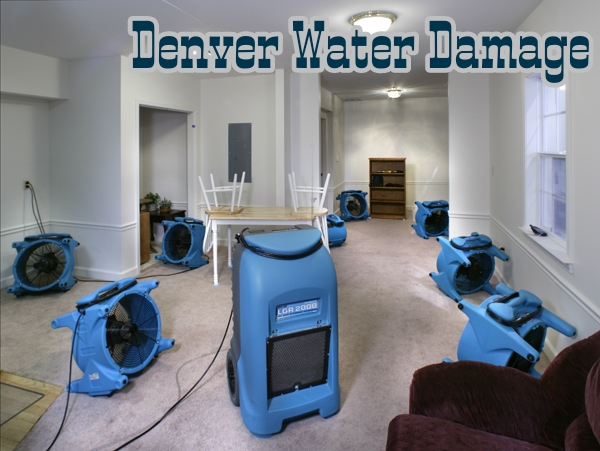
- High-powered air movement
- Industrial dehumidification
- Moisture monitoring
- Antimicrobial application
These steps must begin as soon as possible after a burst pipe.
Advanced Moisture Detection: Seeing What You Can’t
Professional services use specialized tools to detect hidden moisture.
Detection Equipment
- Thermal imaging cameras
- Non-invasive moisture meters
- Hygrometers for humidity levels
- Infrared scanning
This technology ensures no wet areas are overlooked.
Why DIY Cleanup Increases Mold Risk
Homeowners often attempt cleanup using household fans and dehumidifiers.
DIY Limitations
- Insufficient drying power
- No moisture verification
- Inability to access wall cavities
- No antimicrobial treatment
These limitations allow mold to grow undetected.
Burst Pipes in Winter vs. Summer: Mold Risk Differences
While mold can grow any time of year, winter burst pipes pose unique risks.
Winter Mold Risks
- Heating systems create warm indoor air
- Windows stay closed
- Moisture becomes trapped
- Drying takes longer
This makes speed even more critical during Denver winters.
Commercial Properties and Mold Liability
For businesses, mold growth after burst pipes is not just a repair issue—it’s a liability risk.
Commercial Consequences
- Employee health complaints
- OSHA concerns
- Business interruption
- Tenant disputes
- Reputation damage
Fast response protects both property and operations.
Insurance Implications of Delayed Mold Growth
Insurance companies often distinguish between sudden water damage and mold caused by delay.
Important Insurance Considerations
- Burst pipes are usually covered
- Mold coverage may be limited
- Delays can lead to claim disputes
- Documentation is critical
Immediate professional response strengthens insurance claims.
Signs Mold Is Already Developing After a Burst Pipe
Even after cleanup, watch for warning signs.
Early Mold Indicators
- Musty odors
- Discoloration on walls or ceilings
- Increased allergy symptoms
- Persistent humidity
- Warping or peeling materials
If any of these appear, inspection is necessary.
Preventive Measures After a Burst Pipe Repair
Even after repairs, prevention continues.
Post-Repair Mold Prevention Tips
- Ensure all materials are fully dry
- Replace saturated insulation
- Monitor humidity levels
- Use exhaust fans properly
- Schedule follow-up inspections
Prevention does not stop when the pipe is fixed.
Why Denver Properties Need Rapid, Local Response
Local experience matters in preventing mold.
Denver-Specific Advantages
- Knowledge of freeze-related failures
- Familiarity with local building styles
- Understanding seasonal humidity patterns
- Faster response times
Local emergency services reduce delays that allow mold to develop.
The Long-Term Impact of Ignoring Mold After Burst Pipes
Ignoring mold doesn’t make it go away—it allows it to spread.
Long-Term Consequences
- Structural weakening
- Chronic health issues
- Reduced property value
- Costly future remediation
- Insurance complications
What starts as a burst pipe can become a long-term problem if speed is ignored.
Why Speed Protects Your Home, Health, and Investment
Fast action after a burst pipe protects more than just building materials.
What Speed Protects
- Indoor air quality
- Structural integrity
- Personal belongings
- Insurance coverage
- Long-term property value
The first 24–48 hours are the most important.
Final Thoughts: Speed Is the Difference Between Drying and Mold Remediation
In Denver, burst pipes are an unfortunate reality—but mold growth doesn’t have to be. The difference between a clean recovery and a costly mold infestation often comes down to how fast action is taken.
Immediate water extraction, professional drying, and moisture verification stop mold before it starts. Delays allow spores to spread silently, increasing health risks and repair costs.
When a burst pipe occurs, speed is not optional—it is essential. Acting fast protects your home, your health, and your peace of mind.
