Water Damage and Electricity: Ensuring Your Home is Structurally Safe
Water and electricity are a dangerous combination.
Even small leaks can pose major hazards.
Water Damage and Electricity: Ensuring Your Home is Structurally Safe is a critical topic for homeowners across Denver and the Front Range.
From flooded basements to burst pipes, water can compromise wiring, outlets, and appliances, creating fire and shock risks.
At Water Damage Repair Denver, we combine certified restoration expertise with electrical safety protocols.
Our goal is to protect your home, family, and property while providing comprehensive water damage restoration.
Why Water and Electricity Are a Deadly Combination
Water conducts electricity.
Any contact between water and live wires can result in:
- Electric shock
- Short circuits
- Electrical fires
- Damage to appliances
- Power outages
Even if power is turned off at the main panel, residual energy can remain.
This is why professional intervention is essential after any water intrusion.
Common Scenarios Where Water Meets Electricity
1. Flooded Basements
Basements often house electrical panels, outlets, and appliances.
- Floodwater can reach wiring or breaker panels.
- Waterlogged appliances like washers and dryers pose shock hazards.
2. Burst Pipes and Ceiling Leaks
- Leaks can seep into walls with hidden electrical conduits.
- Ceiling water may drip onto light fixtures.
3. Roof Leaks
- Water entering through the roof can contact recessed lighting or attic wiring.
4. Appliance Failures
- Water heaters, dishwashers, and HVAC units are common culprits.
- Leaks around appliances may expose wiring to moisture.
Immediate Safety Measures
After a water event, prioritize safety:
- Turn off power
If safe, switch off the main circuit breaker. - Avoid contact with water
Never step into standing water if electricity is on. - Keep children and pets away
Even small amounts of water can be dangerous. - Call professionals
Certified restoration technicians can safely handle water and electrical hazards.
How Water Damage Affects Electrical Systems
Water intrusion can compromise:
- Circuit breakers
- Outlets and switches
- Wiring inside walls and ceilings
- Electrical panels and subpanels
- Ground fault circuit interrupters (GFCIs)
Even if wires appear dry after a flood, corrosion may have weakened connections.
This increases the risk of fire or shock months after the event.
Structural Implications of Water Damage
Water doesn’t just affect wiring.
It can weaken the very structure of your home:
- Wood framing swells and softens
- Subflooring may warp or rot
- Drywall loses integrity
- Ceilings may sag or collapse
All of these problems create unsafe conditions for electrical systems.
The Role of IICRC-Certified Technicians
Certified technicians follow strict safety and restoration protocols:
- Proper water extraction
- Structural drying
- Electrical safety assessment
- Moisture mapping with thermal imaging
This ensures your home is both dry and safe before electrical restoration.
Water Damage Restoration Process for Homes With Electrical Concerns
Step 1: Assessment and Safety Inspection
- Identify water entry points
- Locate all electrical systems affected
- Determine category and class of water damage (clean, gray, black)
- Evaluate structural safety
Step 2: Controlled Water Removal
- Extract standing water using pumps and wands
- Protect electrical components by isolating power and circuits
- Prevent further damage with containment and drying
Step 3: Drying and Dehumidification
- Use commercial air movers and dehumidifiers
- Dry structural cavities around wiring
- Ensure insulation, subflooring, and wall cavities are moisture-free
Step 4: Electrical Inspection
- Certified electricians check wiring, panels, and outlets
- Identify corrosion, shorts, or compromised circuits
- Repair or replace damaged components
Step 5: Restoration and Prevention
- Reinstall drywall, flooring, and ceiling materials
- Apply mold and odor control treatments
- Seal crawl spaces and vulnerable areas
- Implement preventive measures for future water exposure
Case Study: Flooded Basement in Denver
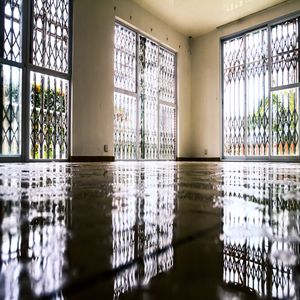
A homeowner in Thornton experienced a flooded basement after heavy rain:
- Water reached electrical panels and outlets
- Immediate power shutoff prevented shock
- Thermal imaging identified hidden moisture behind walls
- Extraction and controlled drying prevented further damage
- Electrical inspection revealed minor corrosion, which was repaired
The result: a safe, fully restored home with no lingering odors or hidden water damage.
Electrical Safety in Different Water Scenarios
Flooded Basements
- Remove water and dry with specialized equipment
- Inspect panels and outlets for moisture and corrosion
- Replace damaged wiring or breakers as needed
Burst Pipes
- Shut off water supply immediately
- Assess wiring inside walls
- Use controlled drying and thermal imaging
Roof Leaks
- Inspect attic wiring
- Dry insulation and ceiling cavities
- Repair damaged electrical components
Appliance Leaks
- Disconnect appliances immediately
- Dry surrounding areas and wiring
- Test appliance safety before reuse
Preventing Future Water Damage to Electrical Systems
- Regular Inspections
Check wiring, outlets, and panels annually. - Proper Grading and Drainage
Prevent water pooling near the foundation. - GFCI Installation
Ground fault interrupters protect against shock in wet areas. - Maintenance of Plumbing and Appliances
Inspect water heaters, dishwashers, and washing machines regularly. - Roof and Gutter Maintenance
Avoid leaks that can compromise attic wiring.
Mold Risks When Water Meets Electricity
- Mold thrives in damp environments
- Mold spores spread quickly behind walls and ceilings
- Electrical damage may complicate mold remediation
Combining water extraction, structural drying, and odor/microbial treatment ensures both safety and comfort.
Why Homeowners Should Avoid DIY Electrical Cleanup
Many homeowners attempt to:
- Dry waterlogged outlets themselves
- Use fans and household dehumidifiers
- Patch drywall without addressing wiring
Risks include:
- Electrical shock or electrocution
- Fire hazards
- Hidden moisture leading to mold
- Voiding insurance coverage
Professional restoration ensures all systems are safe and compliant.
How 24-Hour Restoration Services Help
Water damage is unpredictable.
Immediate response is critical:
- Emergency water removal
- Flooded basement cleanup
- Burst pipe repair
- Structural drying and water mitigation
Front Range homes—from Denver to Aurora, Lakewood, Thornton, Westminster, Arvada, Centennial, Littleton, Broomfield, and Commerce City—benefit from fast, expert response.
Integration With Insurance Claims
- Document water damage and electrical impact
- Provide evidence of restoration efforts
- Support coverage for repairs, replacement, and preventive measures
Thermal imaging and moisture mapping strengthen claims.
Why This Risk Is So Serious
When water touches outlets, wiring, or appliances, the entire system becomes unpredictable. It can cause:
- Electrical fires
- Arc faults
- Shocks
- System failure
- Structural risks
Ignoring electrical issues after flooding leads to costly damage and safety threats.
Protecting Your Home Beyond Wiring
Moisture inside walls corrodes metal fast. Structural elements weaken. Ceiling water damage causes sagging and collapse. We use thermal imaging to ensure safe drying and complete water mitigation.
Commercial Considerations
Businesses face unique risks:
- High-voltage wiring
- Sensitive electronics and servers
- Large square footage
- Regulatory compliance
Specialized teams handle water and electrical hazards safely, minimizing downtime and protecting investments.
Long-Term Benefits of Professional Restoration
- Safety – Reduced risk of shock and fire
- Structural Integrity – Protect floors, walls, ceilings, and framing
- Mold Prevention – Eliminates hidden moisture and microbial growth
- Insurance Support – Documentation and proper treatment
- Peace of Mind – Homeowners focus on recovery, not safety concerns
Conclusion: Water Damage Requires Expert Handling
Water Damage and Electricity: Ensuring Your Home is Structurally Safe shows that water can’t be treated casually.
At Water Damage Repair Denver, we combine:
- Certified technicians
- Advanced drying and extraction tools
- Electrical safety protocols
- IICRC standards
Our approach ensures homes are dry, safe, and fully restored.
When water enters your home, don’t risk DIY fixes.
Call us for fast, professional, and safe water damage restoration.
