Common Causes of Water Damage Englewood
Why Homes and Buildings in Englewood Experience Moisture Problems
Water damage in Englewood rarely happens from a single isolated issue. Colorado weather patterns, freeze-thaw cycles, aging plumbing systems, drainage pressure, and rapid seasonal temperature swings create constant stress on homes and commercial properties throughout the area.
Small leaks often become major structural problems when moisture spreads unnoticed behind walls, beneath flooring, inside ceilings, or around foundations.
Understanding the most common causes of water damage helps property owners recognize risks earlier before costly repairs develop.
Burst Pipes During Colorado Freeze Cycles
Frozen Plumbing Failures Cause Severe Interior Flooding
Winter temperatures in Englewood regularly place pressure on plumbing systems hidden inside walls, crawlspaces, garages, basements, and attic areas.
Water expands as it freezes. Pipe walls weaken under that pressure until fractures eventually release large amounts of water into the structure.
Burst pipe flooding commonly affects:
- Drywall
- Hardwood flooring
- Ceiling systems
- Insulation
- Cabinets
- Electrical areas
- Finished basements
- Structural framing
Many leaks continue for hours before homeowners notice visible signs of damage.
Basement Flooding in Englewood
Snowmelt and Drainage Pressure Create Foundation Moisture Problems
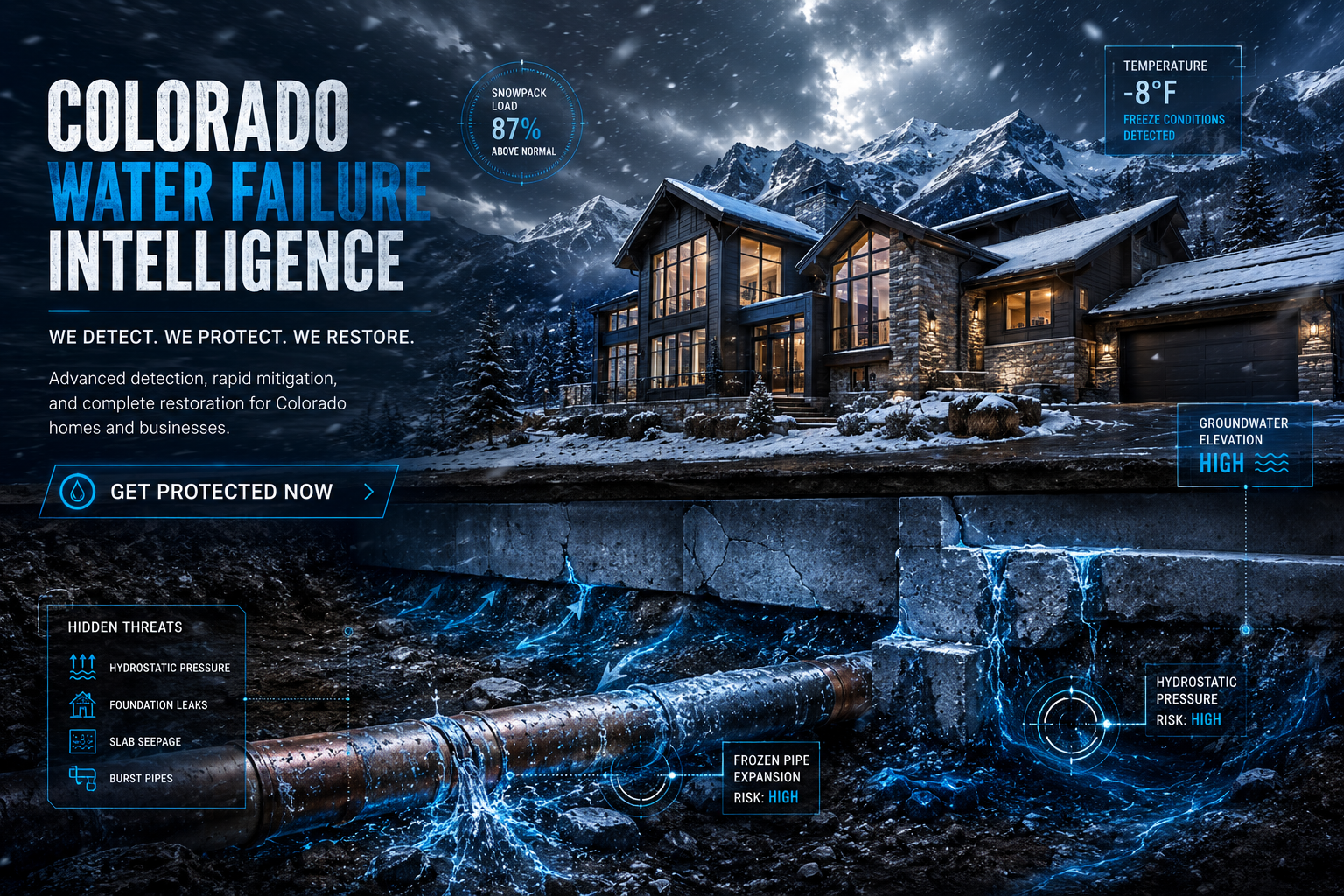
Basement water damage is extremely common throughout Englewood due to Colorado snowpack runoff, heavy spring melting, poor grading, clogged drains, and foundation pressure buildup.
Moisture often enters through:
- Foundation cracks
- Window wells
- Slab edges
- Drainage failures
- Sump pump malfunctions
- Hydrostatic pressure points
Lower-level flooding can quickly spread beneath flooring systems and inside finished wall cavities.
Long-term moisture exposure may eventually weaken structural materials while creating hidden deterioration behind finished surfaces.
Roof Leaks and Ice Dam Water Damage
Winter Storm Conditions Push Moisture Beneath Roofing Systems
Heavy snowfall followed by temperature fluctuations frequently creates ice dam conditions across Englewood properties.
Melting snow refreezes near roof edges, trapping water beneath shingles and allowing moisture to move into attic spaces, ceilings, and wall assemblies.
Roof-related water damage often affects:
- Ceiling drywall
- Insulation
- Interior paint
- Framing systems
- Lighting areas
- Flooring beneath leak points
Storm damage and aging roofing materials also increase the likelihood of water intrusion during Colorado weather shifts.
Appliance Leaks and Plumbing Failures
Small Water Line Problems Can Cause Major Structural Damage
Dishwashers, refrigerators, washing machines, water heaters, and sink supply lines frequently create hidden water damage inside homes.
Slow leaks may continue for weeks before visible signs appear.
Common appliance-related moisture problems include:
- Cabinet swelling
- Warped flooring
- Wet drywall
- Mold growth conditions
- Subfloor saturation
- Baseboard deterioration
Hidden plumbing failures inside walls often create similar damage patterns throughout kitchens, bathrooms, and laundry areas.
HVAC and Air Conditioning Moisture Problems
Condensation and Drain Line Failures Affect Interior Walls and Ceilings
HVAC systems produce condensation during operation. Blocked drain lines, clogged pans, or equipment malfunctions can allow moisture to overflow into surrounding structural areas.
Commercial buildings and office spaces throughout Englewood frequently experience water damage from rooftop HVAC systems and mechanical equipment leaks.
Condensation-related damage often impacts:
- Ceiling tiles
- Drywall
- Insulation
- Carpet
- Office interiors
- Wall cavities
Routine system maintenance helps reduce long-term moisture risks tied to HVAC equipment.
Sewer Backups and Drain Overflows
Contaminated Water Intrusions Require Immediate Cleanup
Sewer backups introduce dangerous bacteria and contaminated water into homes and commercial buildings.
Blocked sewer lines, storm drainage overload, aging pipes, and root intrusion are common causes of black water flooding throughout Englewood.
Contaminated water may affect:
- Bathrooms
- Basements
- Crawlspaces
- Flooring systems
- Drywall
- Personal belongings
Fast professional cleanup helps reduce health hazards while preventing contamination from spreading deeper into the structure.
Window Leaks and Exterior Water Intrusion
Small Openings Can Allow Significant Moisture Penetration
Wind-driven rain and melting snow frequently enter structures through deteriorated seals, cracked caulking, siding gaps, and aging window systems.
Exterior water intrusion often remains hidden behind walls long before staining becomes visible indoors.
Common warning signs include:
- Bubbling paint
- Soft drywall
- Musty odors
- Window frame discoloration
- Interior staining
- Swollen trim materials
Long-term moisture penetration may slowly damage framing and insulation without obvious surface indicators.
Why Water Damage Spreads So Quickly
Hidden Moisture Movement Creates Larger Structural Problems
Water naturally travels through porous building materials and gravity pathways inside structures.
Moisture frequently spreads into:
- Wall cavities
- Subfloors
- Insulation
- Crawlspaces
- Ceiling systems
- Structural framing
Surface drying alone often leaves hidden saturation behind.
Professional moisture inspections help identify concealed damage areas before long-term deterioration develops.
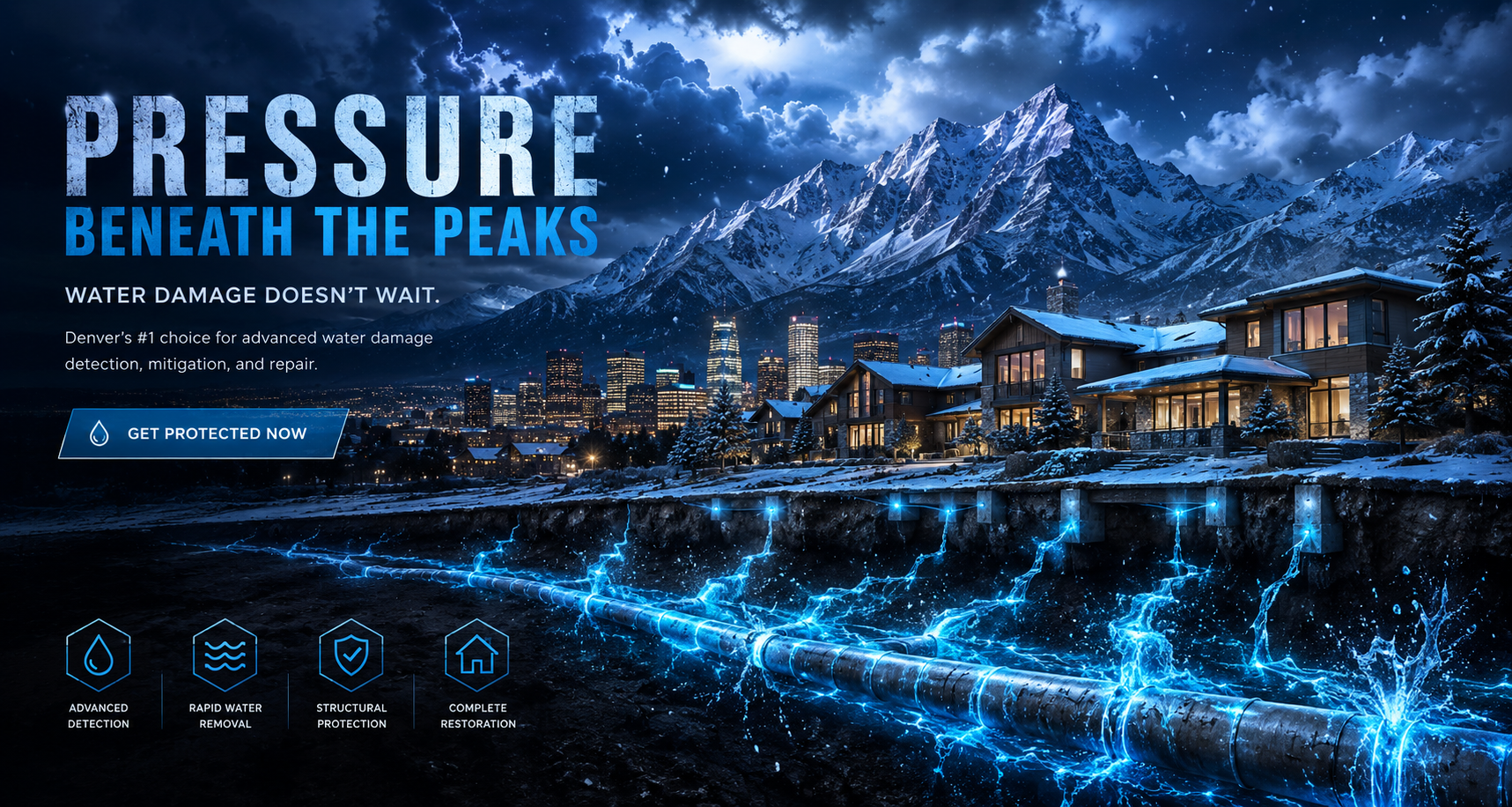
Fast Mitigation Helps Reduce Structural Damage and Repair Costs
Water intrusion problems rarely improve without proper drying and mitigation. Delayed response often increases repair costs while allowing damage to expand further throughout the structure.
Our Englewood restoration team handles:
- Burst pipe cleanup
- Basement flooding
- Roof leak damage
- Appliance leak restoration
- Structural drying
- Sewage cleanup
- Moisture inspections
- Emergency water extraction
- Ceiling leak restoration
- Commercial water damage
Advanced drying systems, thermal moisture detection, and rapid response help protect homes and businesses after unexpected water damage events
