About Water Damage Repair Denver
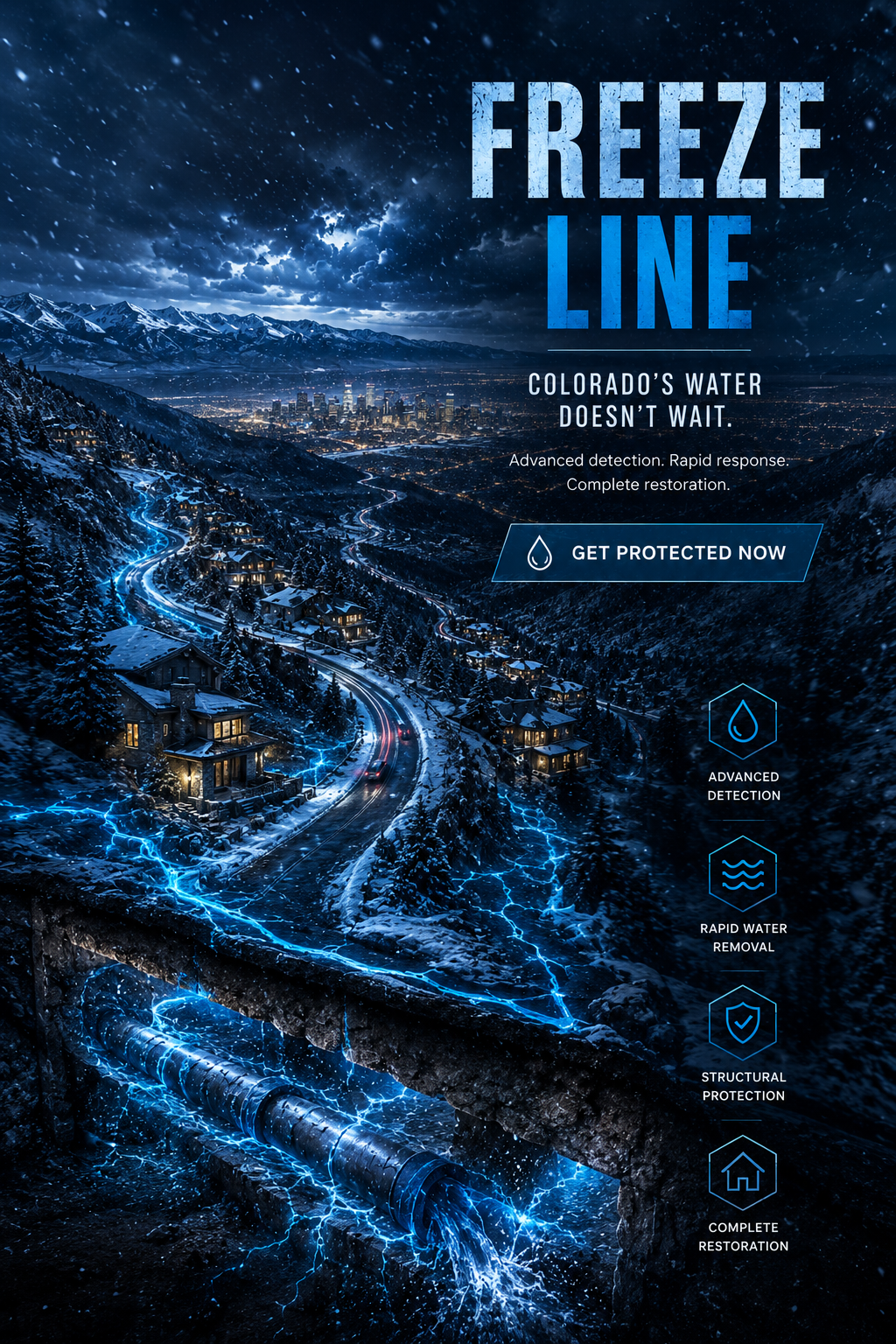
Colorado water damage behaves differently from flooding in most parts of the country.
Front Range snowmelt, freeze-thaw cycling, hydrostatic pressure, slab movement, and rapid temperature swings create structural moisture problems that often develop quietly before visible damage finally appears. Inside Denver homes and commercial properties, saturation frequently spreads beneath flooring systems, through insulation cavities, behind drywall, and around framing assemblies long before property owners realize the true extent of the intrusion.
That environmental reality shaped how this company was built.
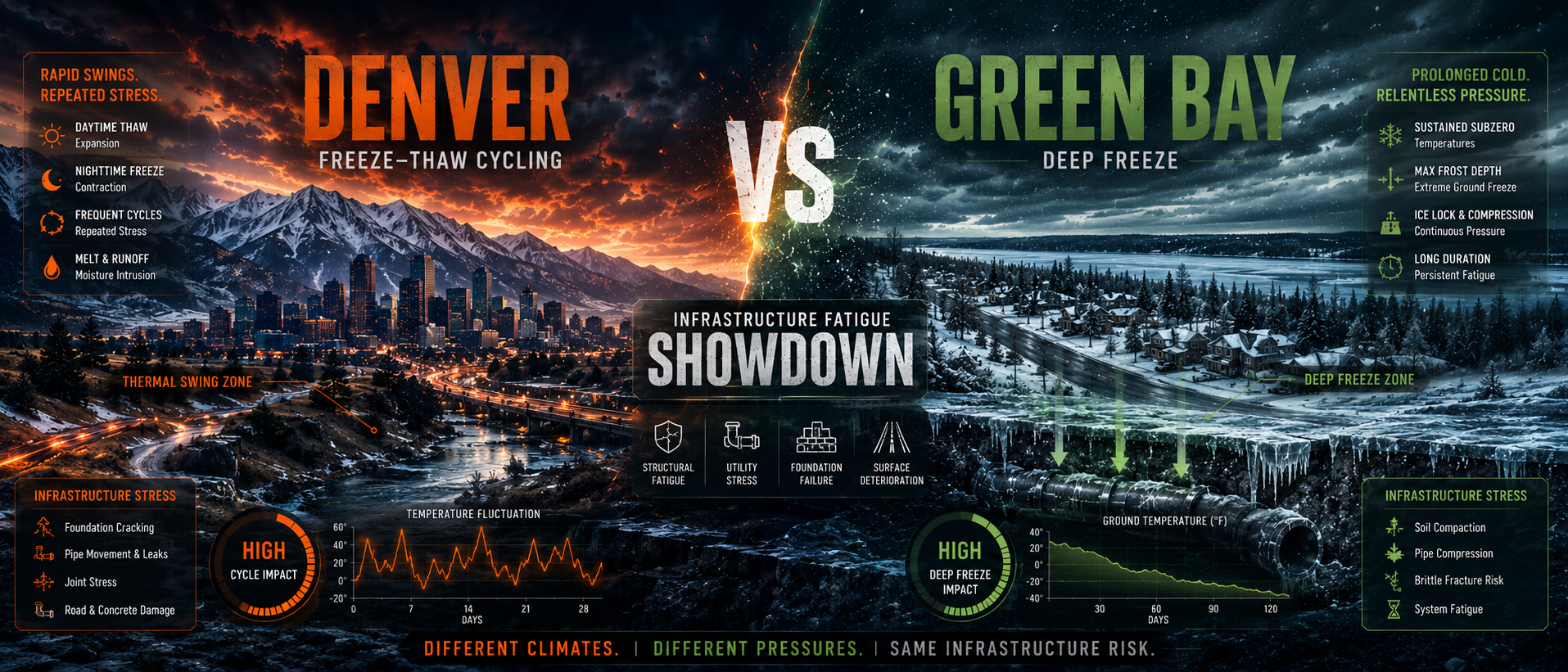
Water Damage Repair Denver focuses on structural drying, moisture stabilization, and recovery strategies tailored to Colorado conditions. Instead of approaching water damage as a simple cleanup, the process centers around understanding how moisture behaves inside Denver-area structures after pipe failures, basement flooding, roof leaks, snowmelt intrusion, and hidden plumbing leaks.
Older Wash Park basements, Cherry Creek luxury homes, Highlands Ranch freeze exposure, DTC office structures, and South Metro finished lower levels all present different recovery challenges. Structural materials react differently depending on elevation, temperature fluctuations, building age, insulation design, and hidden airflow conditions throughout the property.
No two drying environments behave the same.
Colorado-Focused Water Damage Restoration
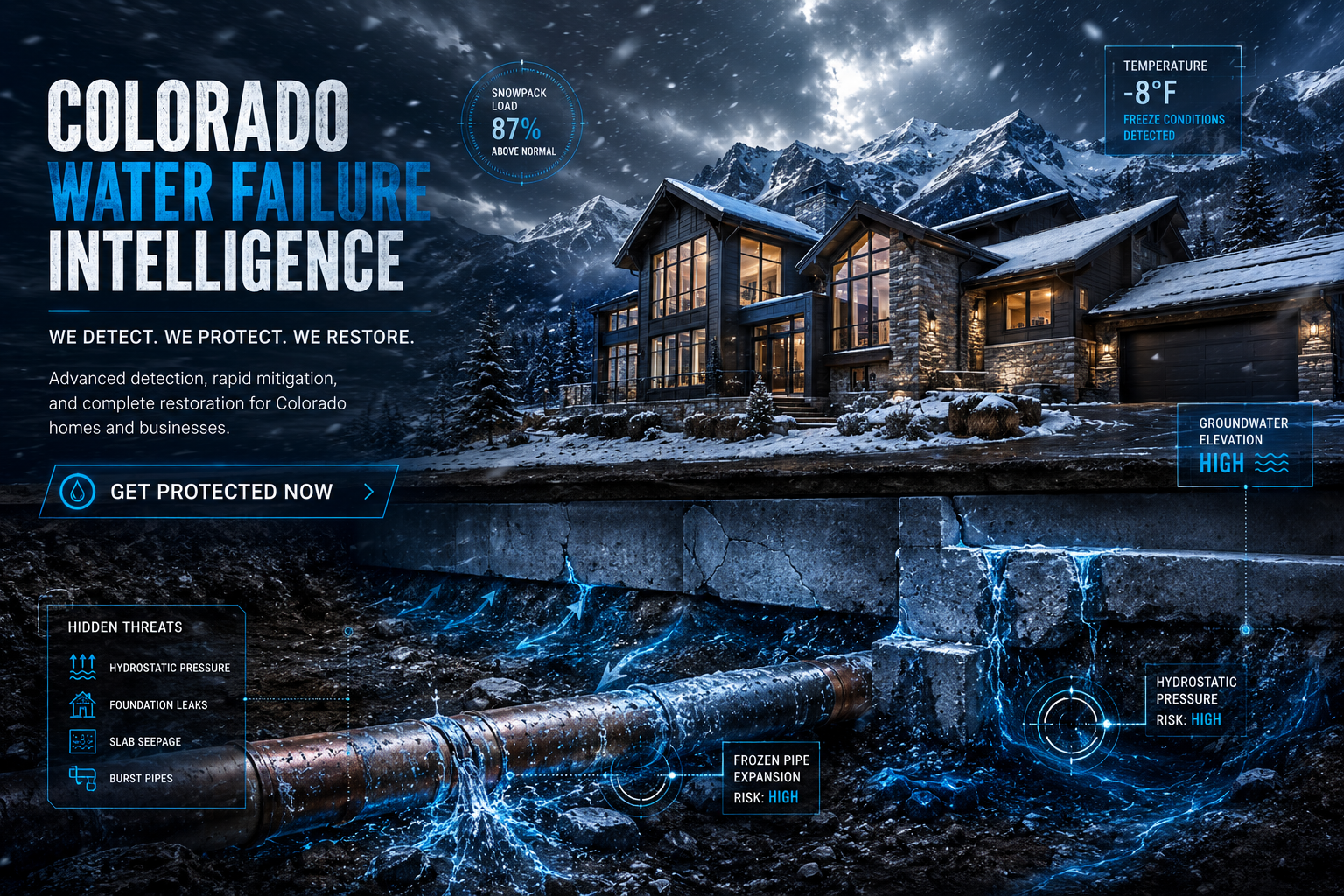
Denver-area properties experience recurring environmental pressure from:
- Freeze-thaw pipe expansion
- Front Range runoff
- Basement hydrostatic pressure
- Slab movement
- Snowpack saturation
- Detached garage freeze exposure
- Aging plumbing systems
- Multi-level moisture migration
Those conditions often create hidden structural saturation inside:
- Ceiling cavities
- Subfloor systems
- Wall assemblies
- Crawlspaces
- Insulation layers
- Finished basements
- Hardwood flooring systems
- Mechanical corridors
Thermal imaging, moisture mapping, dehumidification, cavity drying, and structural monitoring help identify concealed water migration before deterioration expands further into the property.
Structural Drying Comes First
Visible water rarely tells the full story.
Drywall may appear intact while insulation remains saturated behind the surface. Hardwood flooring can feel dry while subfloors continue to absorb trapped moisture beneath. Ceiling stains often represent only a fraction of the structural exposure above.
Proper recovery starts with stabilization.
Structural drying strategies may include:
- Emergency extraction
- Commercial dehumidification
- Thermal imaging inspections
- Moisture mapping
- Subfloor drying
- Wall cavity drying
- Ceiling cavity drying
- Hardwood floor drying
- Containment systems
- Moisture monitoring
Controlled drying helps reduce secondary damage while protecting salvageable materials whenever possible.
Residential and Commercial Water Damage Recovery
Water intrusion affects homes and commercial buildings differently depending on occupancy, construction type, and building complexity.
Residential recovery commonly involves:
- Frozen pipe flooding
- Basement water damage
- Ceiling leaks
- Appliance failures
- Hidden plumbing leaks
- Snowmelt moisture intrusion
Commercial environments often present layered structural challenges involving:
- Shared wall systems
- Ceiling plenums
- Rooftop mechanical leaks
- Multi-suite moisture migration
- Sprinkler failures
- DTC office infrastructure
- Mixed-use building assemblies
Containment and stabilization become increasingly important once moisture begins affecting occupied spaces and interconnected structural systems.
Built Around Long-Term Structural Protection
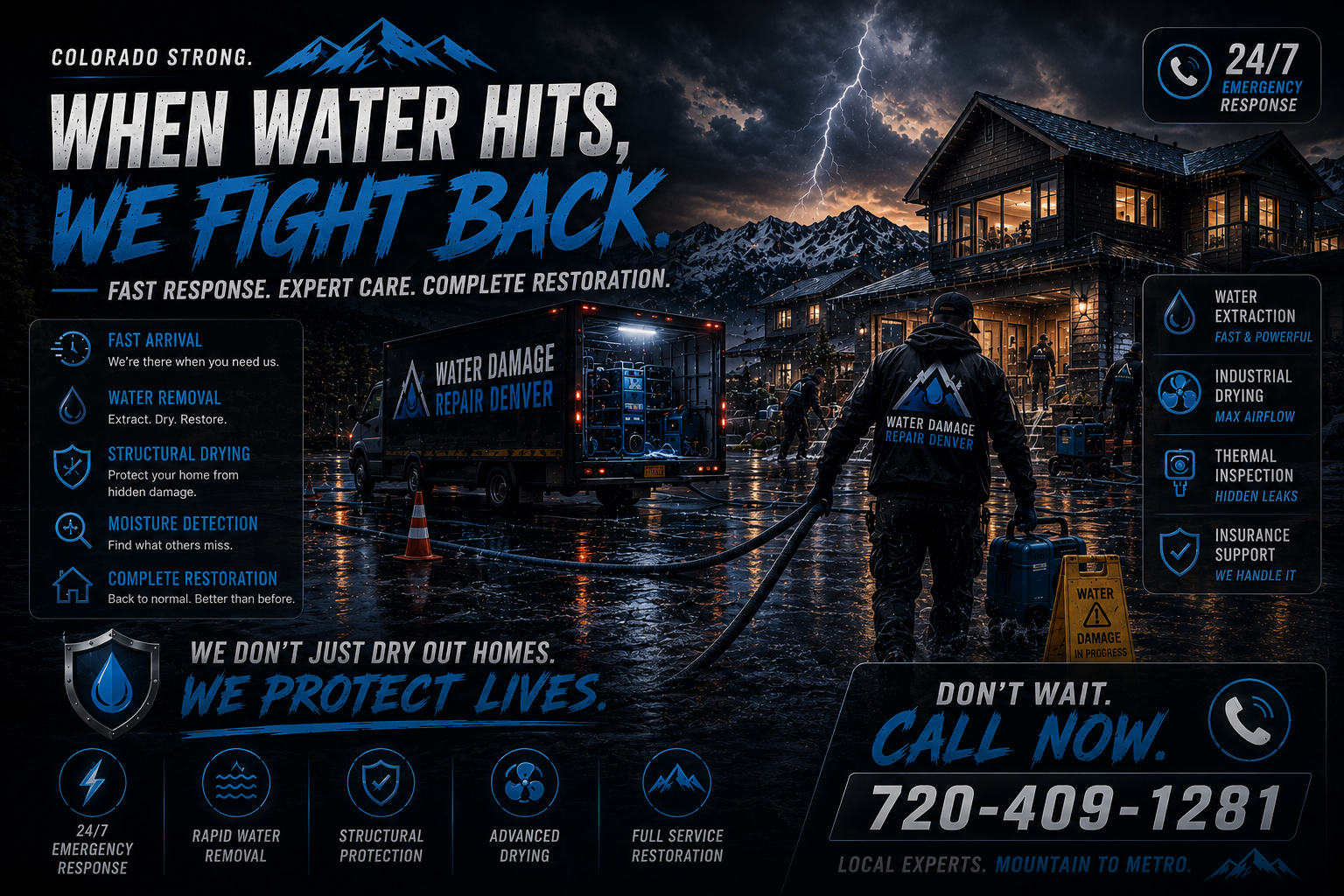
Fast cleanup alone does not solve hidden moisture problems.
Trapped saturation within framing systems, insulation cavities, and flooring assemblies may continue to cause deterioration long after visible standing water disappears.
Moisture left untreated can eventually contribute to:
- Material breakdown
- Flooring instability
- Ceiling deterioration
- Odor conditions
- Indoor air concerns
- Expanded reconstruction costs
Continuous moisture monitoring and controlled dehumidification help reduce long-term structural risk throughout the recovery process.
Serving Denver and the Surrounding Metro Area
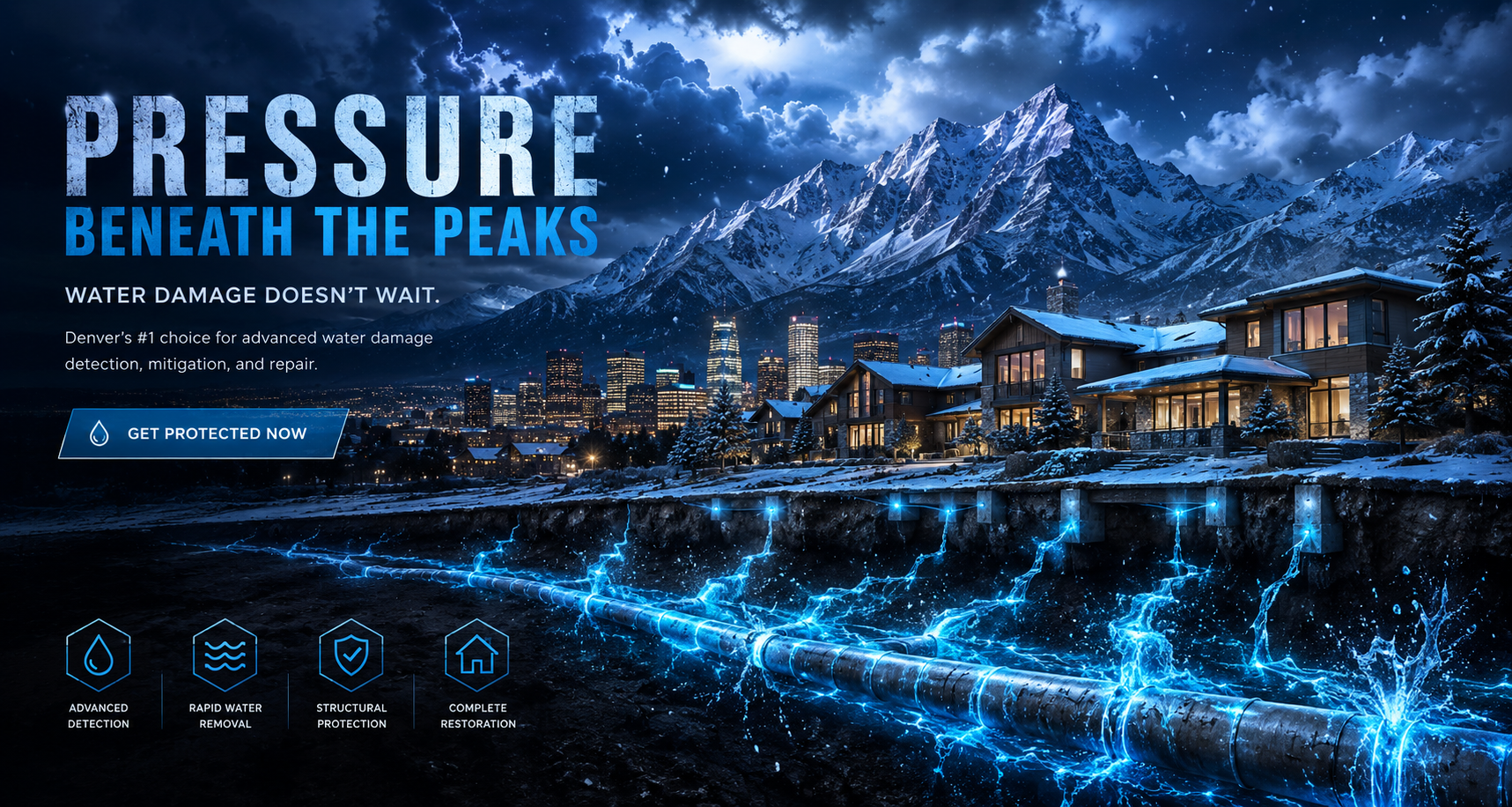
Properties throughout Denver, Centennial, Cherry Creek, Wash Park, Highlands Ranch, Greenwood Village, and surrounding Front Range communities face unique environmental stress tied to Colorado weather patterns and seasonal freeze exposure.
Services include:
- Emergency water extraction
- Structural drying
- Moisture mapping
- Thermal imaging inspections
- Basement flood cleanup
- Burst pipe restoration
- Ceiling leak drying
- Commercial water damage recovery
- Dehumidification
- Containment systems
- Subfloor drying
- Hidden moisture detection
Advanced drying systems and detailed structural stabilization strategies help Denver-area homes and commercial properties recover faster after severe water damage events.

